Printmaking
Fossils, Life Form and Regeneration
Similar to the Cellform series above, this series of aquatints and monoprints incorporate the same recurring nebulous shape in different ways to explore themes of time, life cycles, relief, patina and marks.
Regeneration: taking its inspiration from the tubular steel sculpture of the same name whose shape is based on cells reproducing, this series of prints explores the theme in 2D, whilst also incorporating embossed elements.
Fossils: based on the shapes and forms created by the fossil deposits of Inferior Oolitic soils of Dorset. Once part of an ancient sea, these creatures were laid down as the sea receded millions of years ago. Humans can only see this lost marine world when locked into the land. Here, these ancient life forms are floating in air.
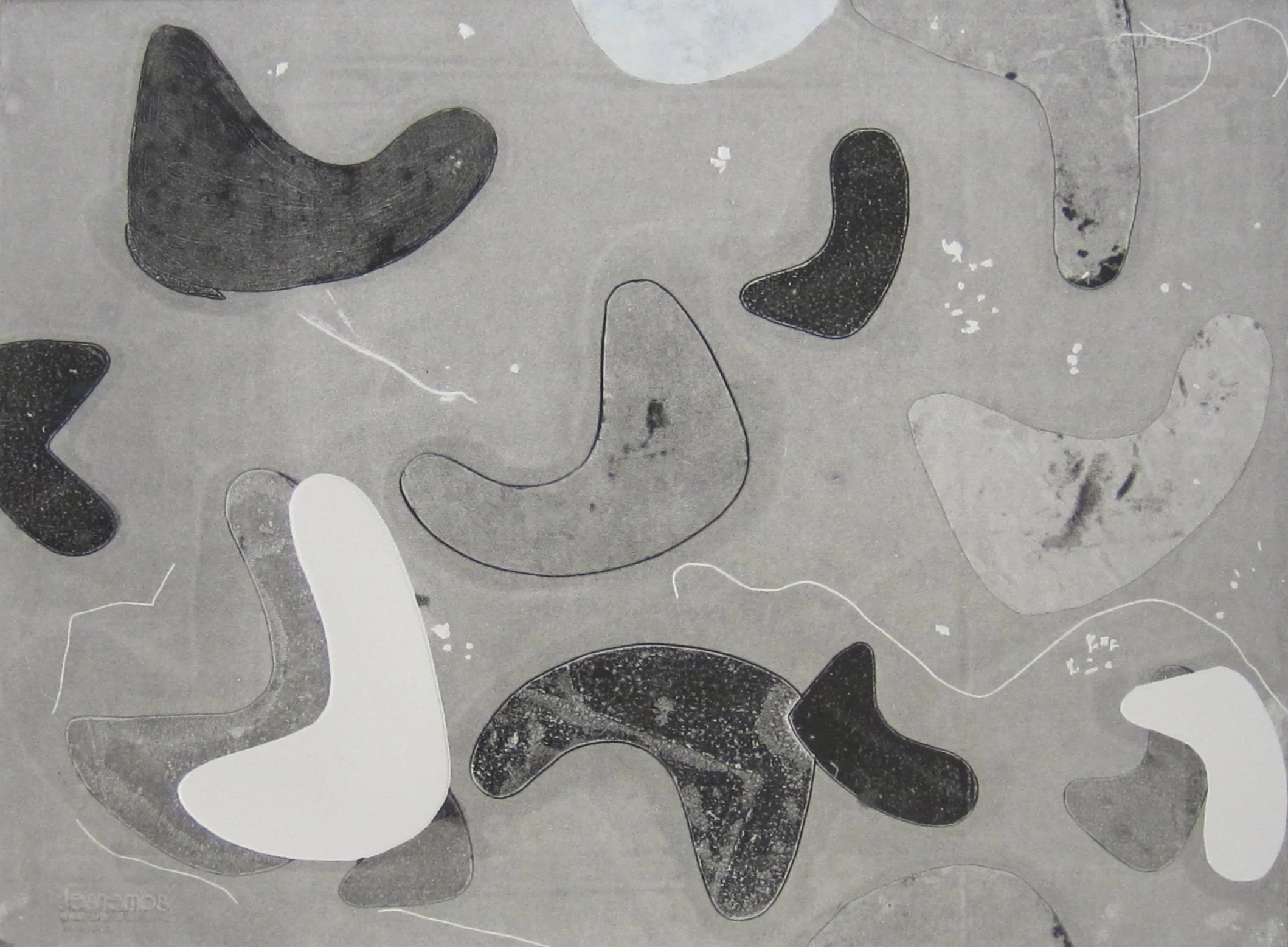
Regeneration II, 2013, Aquatint
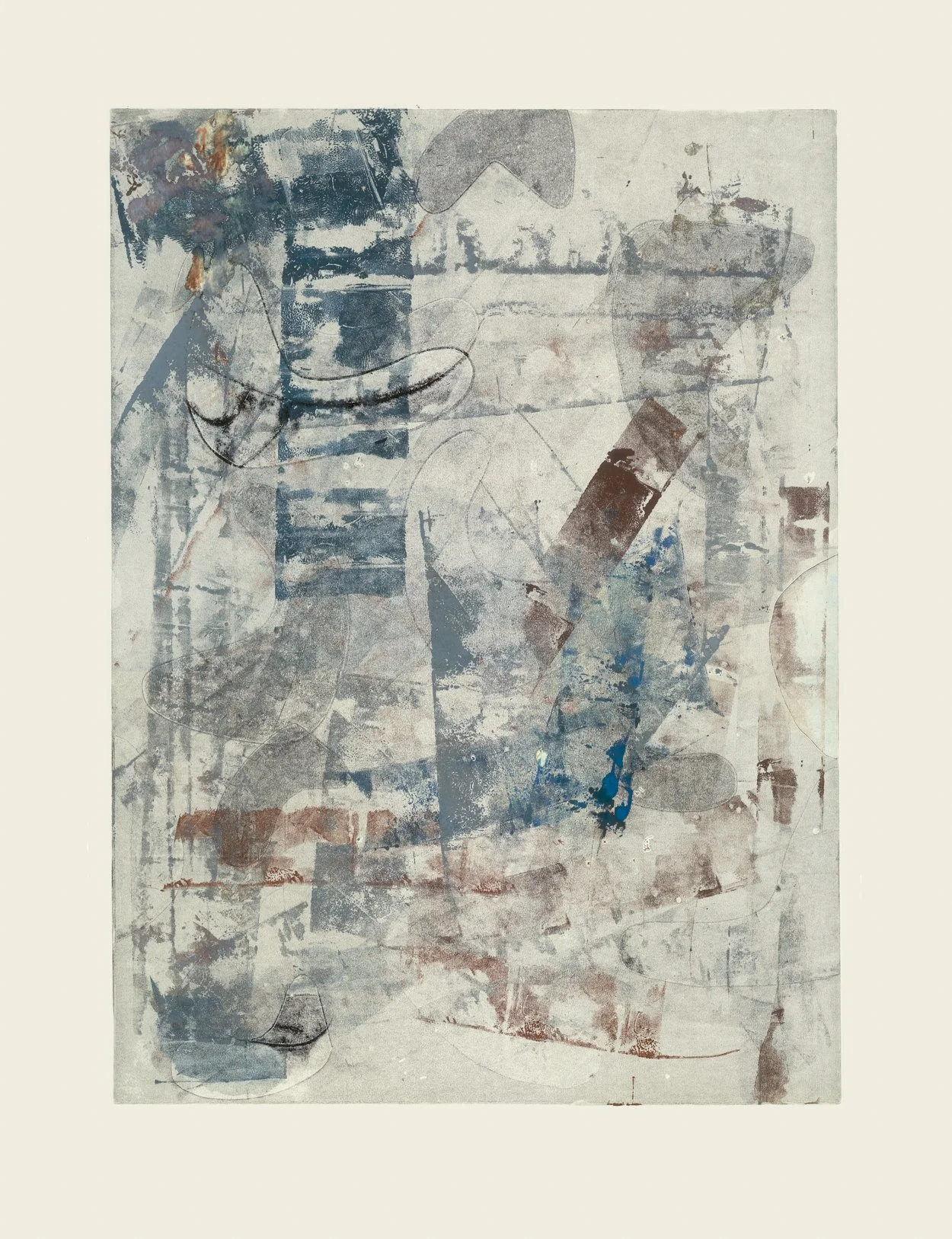
Regeneration IV, 2013, Aquatint, 76 x 57vm
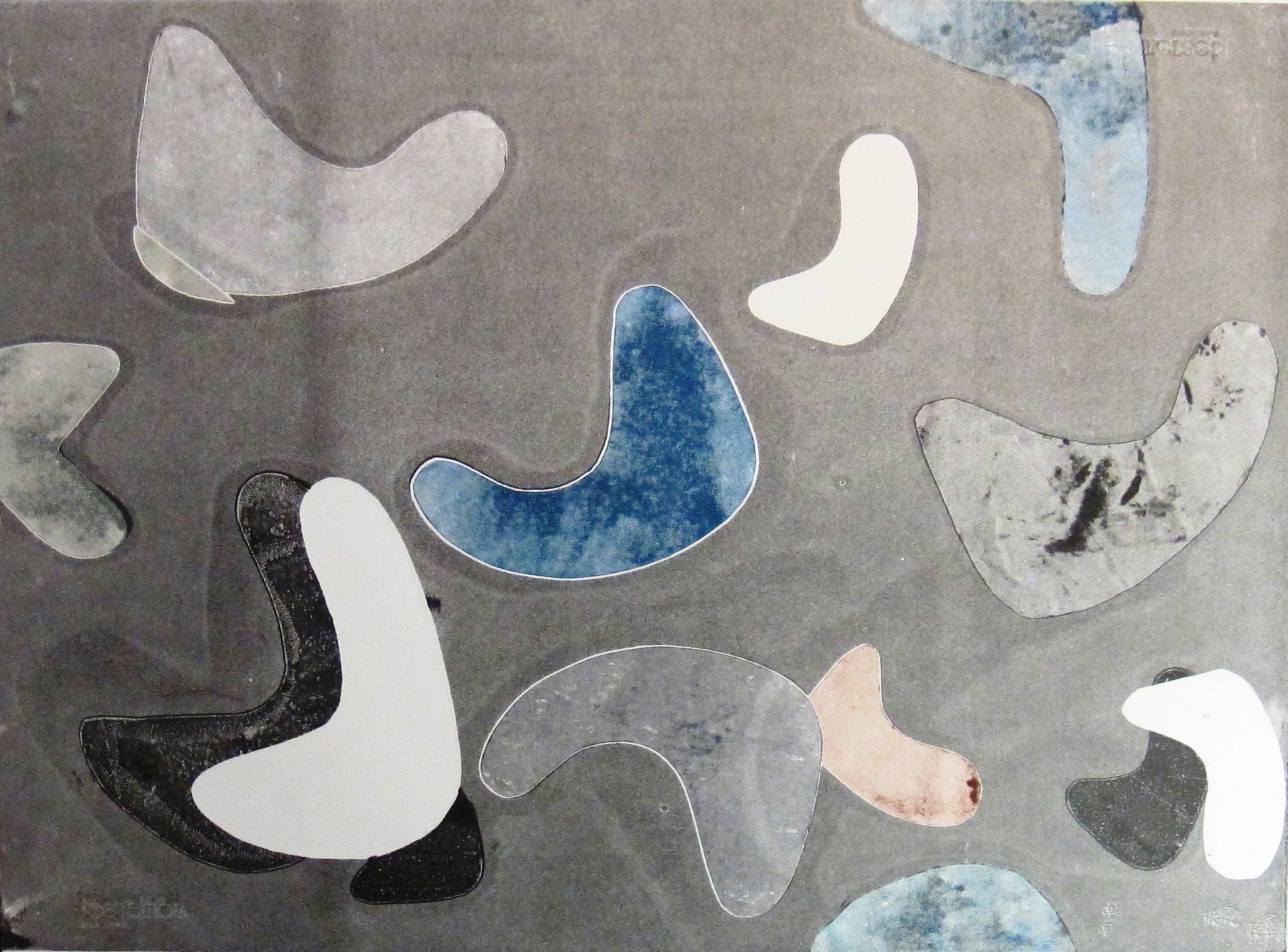
Regeneration III, 2013, Aquatint
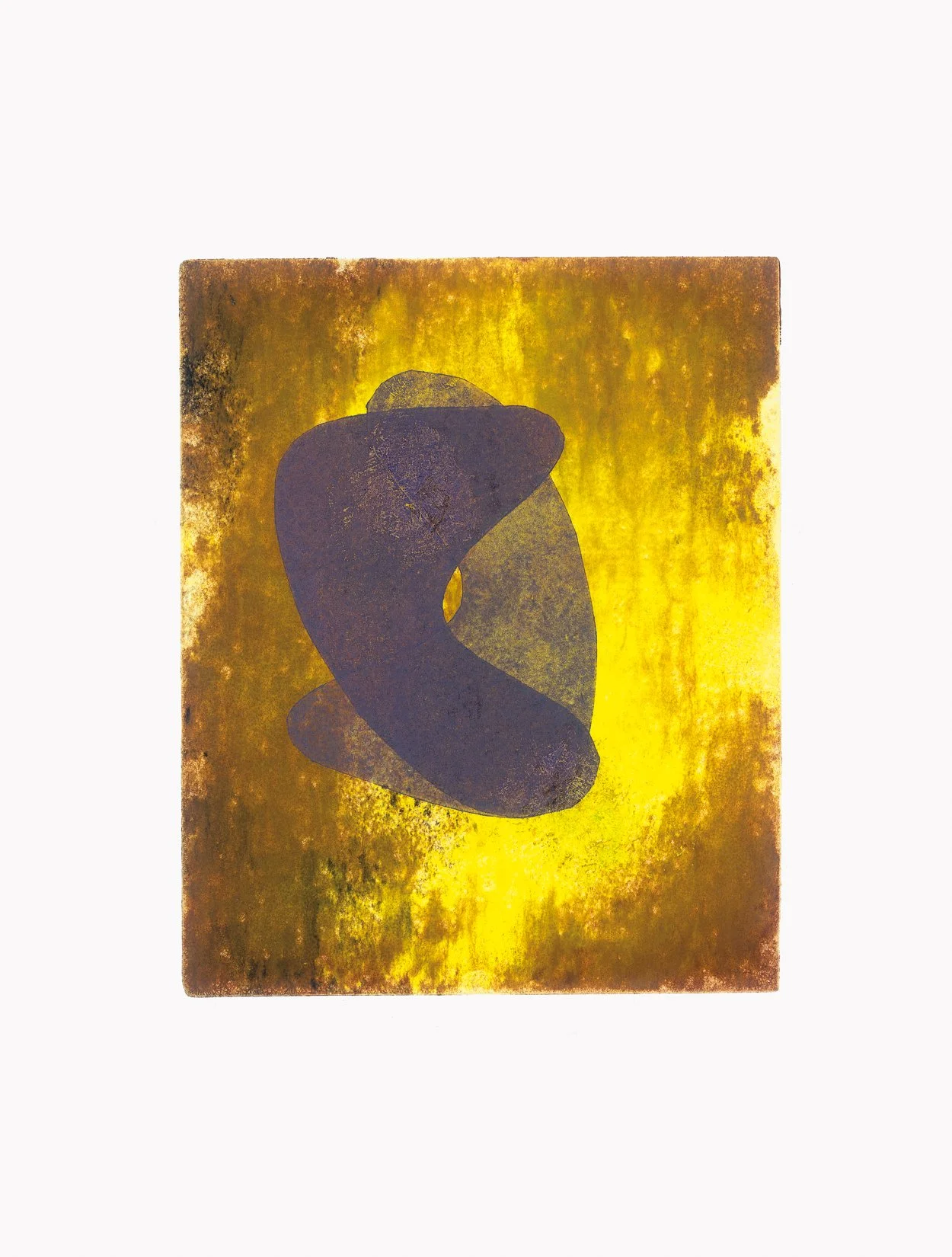
Life Form I, 2013, Aquatint, 30 x 20cm
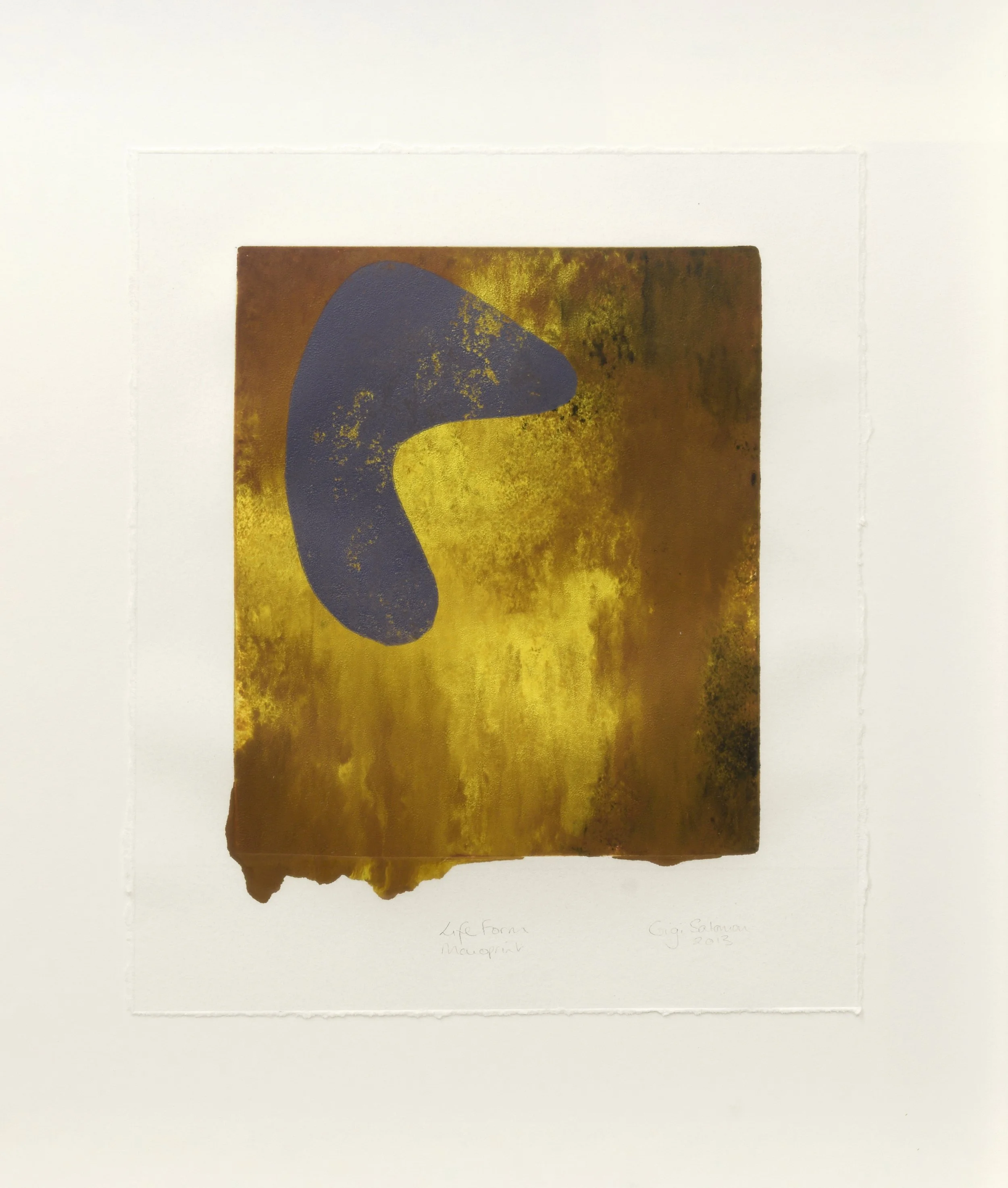
Life Form II, 2013, Aquatint, 30 x 20cm
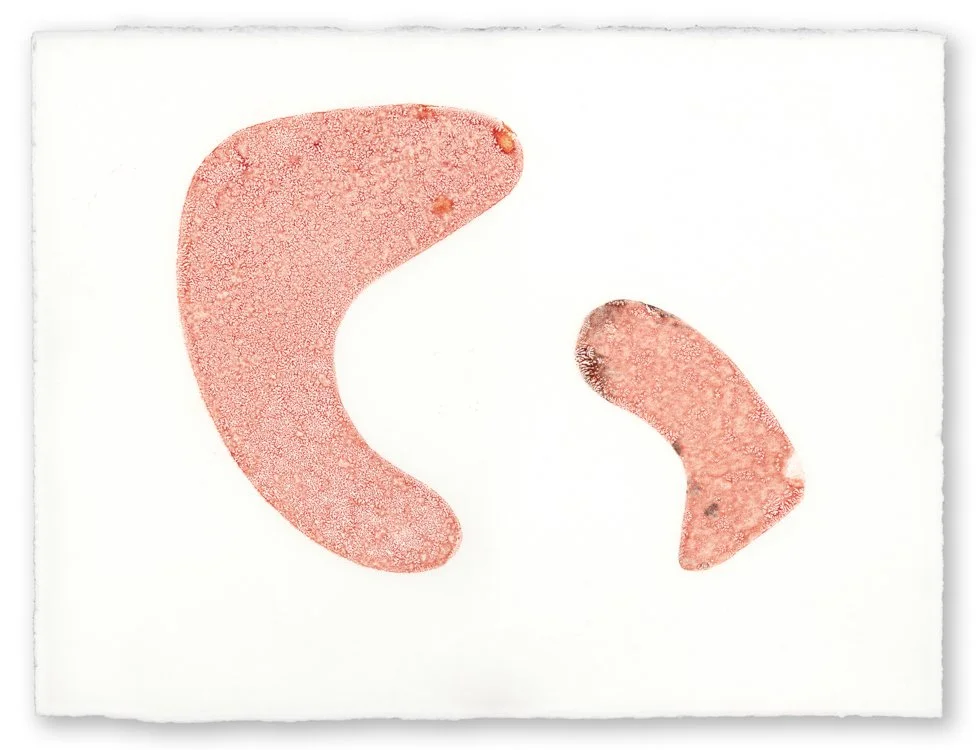
Study for 'Regeneration', 2013, aquatint
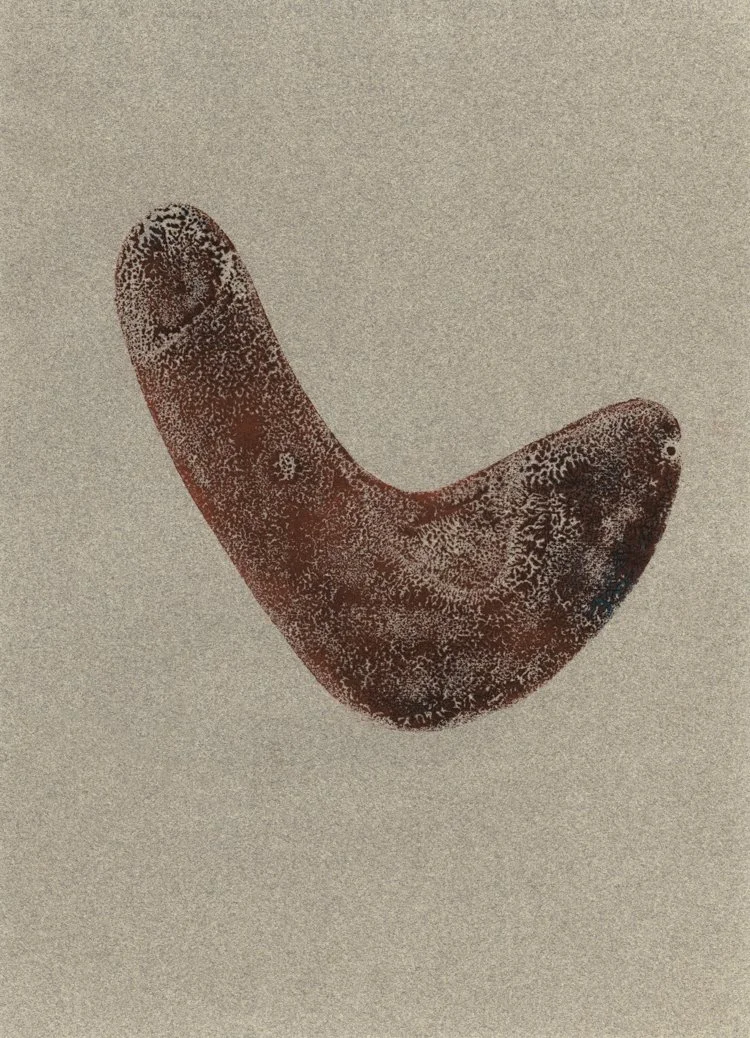
Fossil, 2013, monoprint
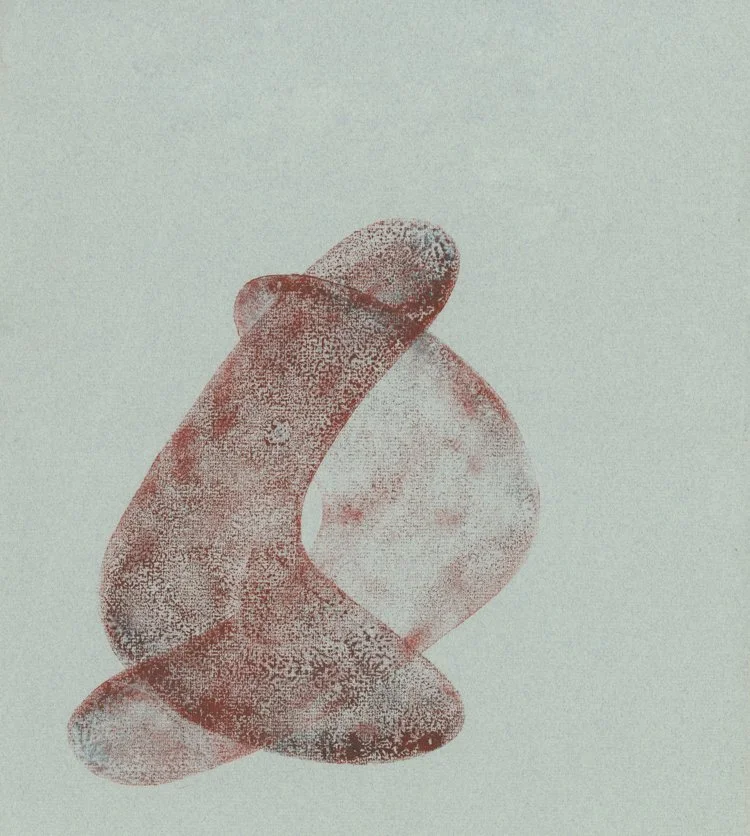
Fossil, 2013, monoprint
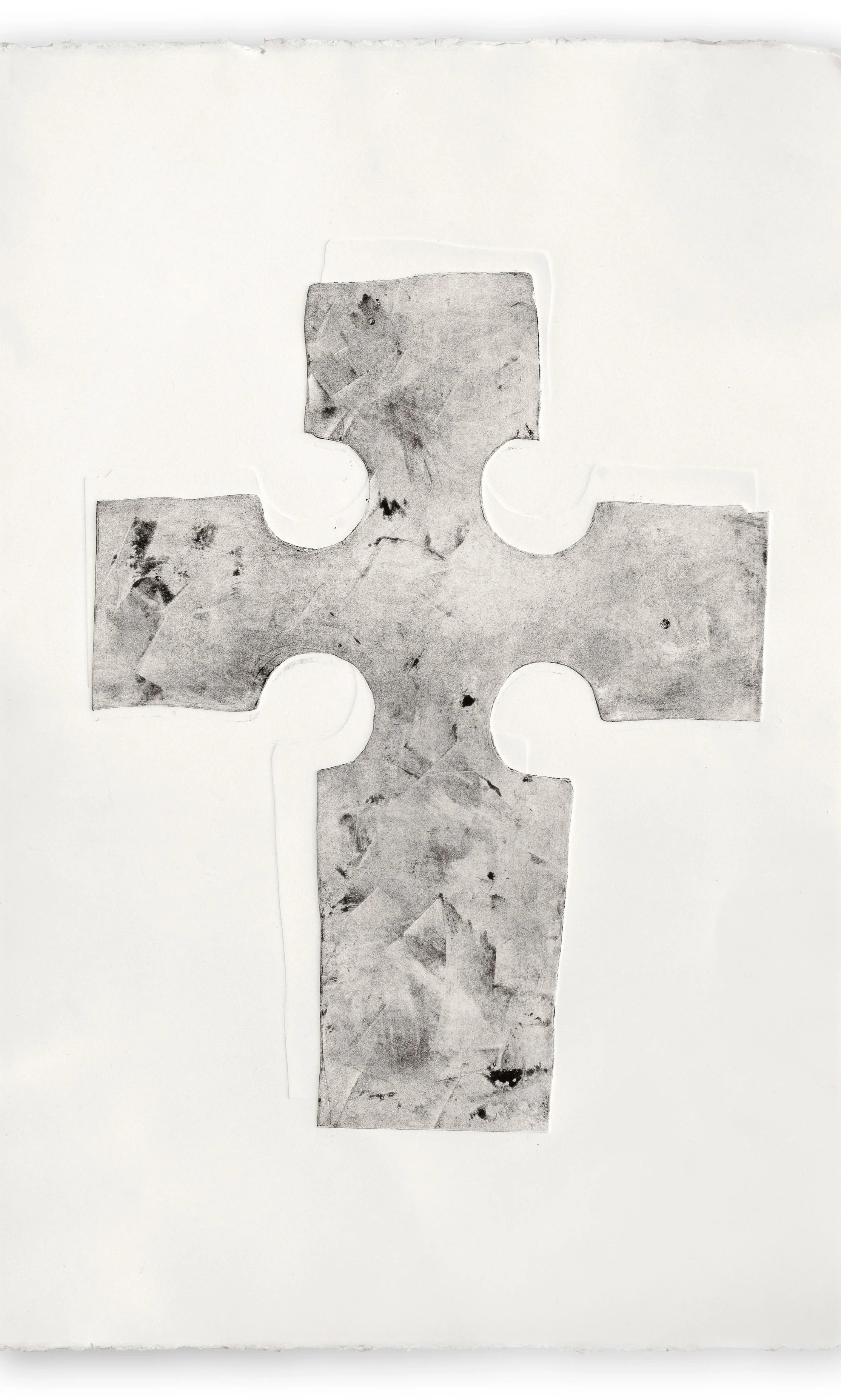
Canisbay Cross
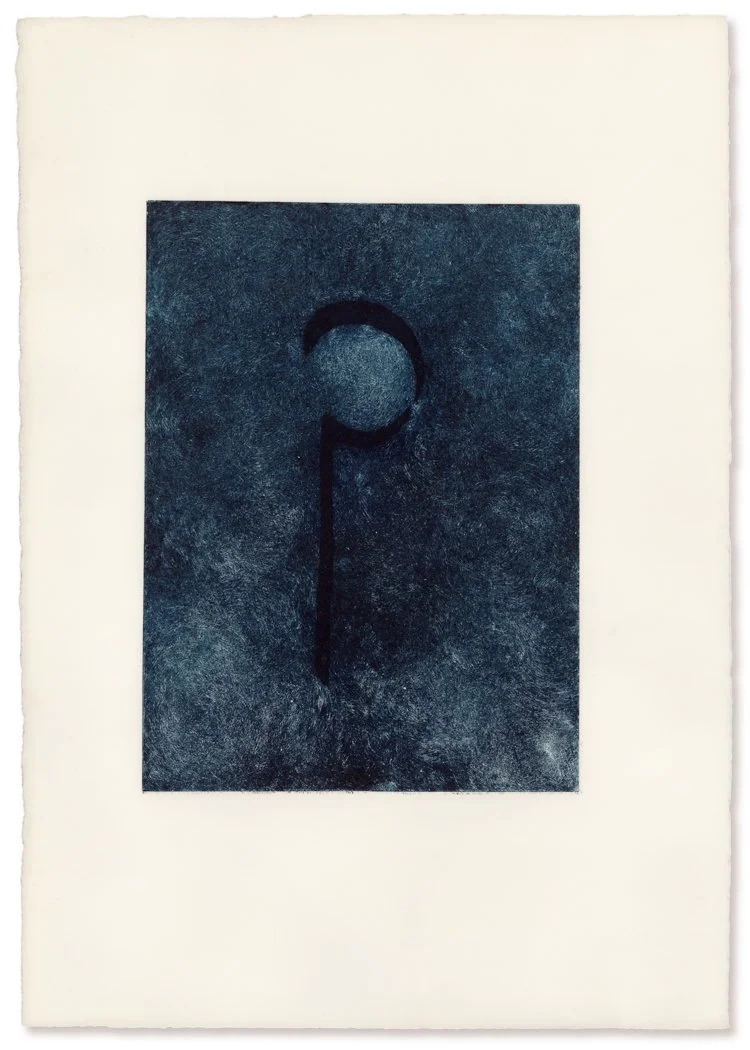
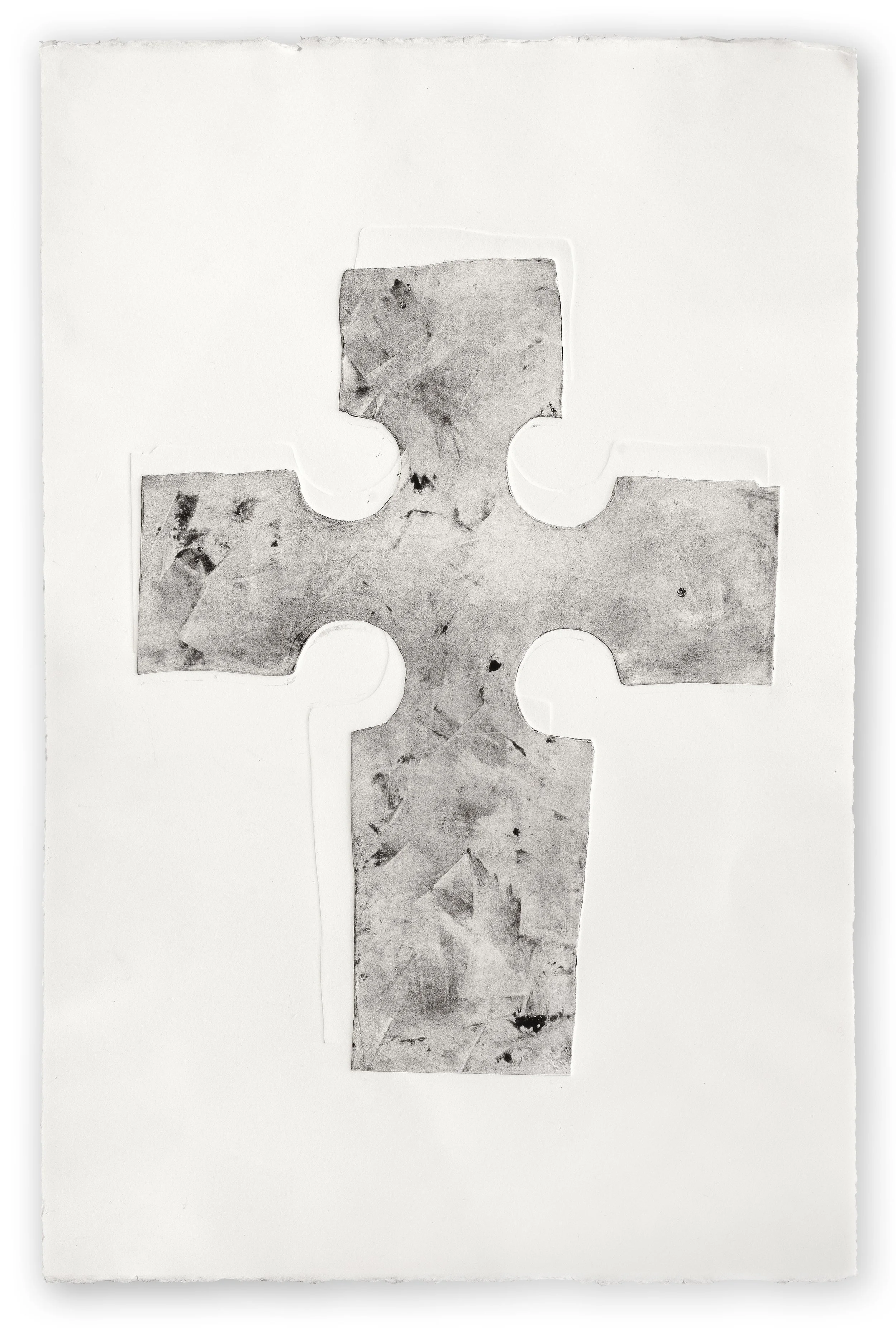
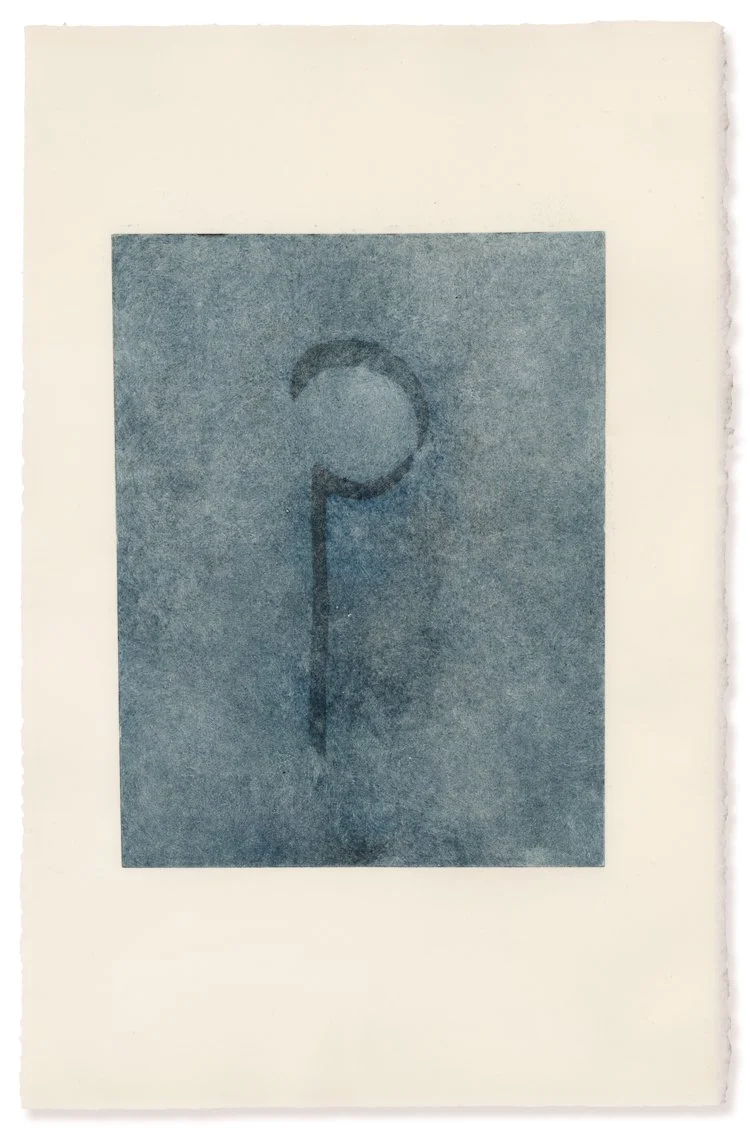
Similar to my stone carving, ‘Pieta’, the composition of these aquatints borrows from the shapes of the Canisbay Cross in Caithness, a sandstone cross-slab featuring incised carvings, approximately 1100-1300 years old.
Cellforms I-III
This series of white on white embossed relief prints look at the play between light and shadow on forms floating in suspension. Based on the Regeneration sculpture of tubular steel, the prints take the positive and the negative of the cell form shapes.
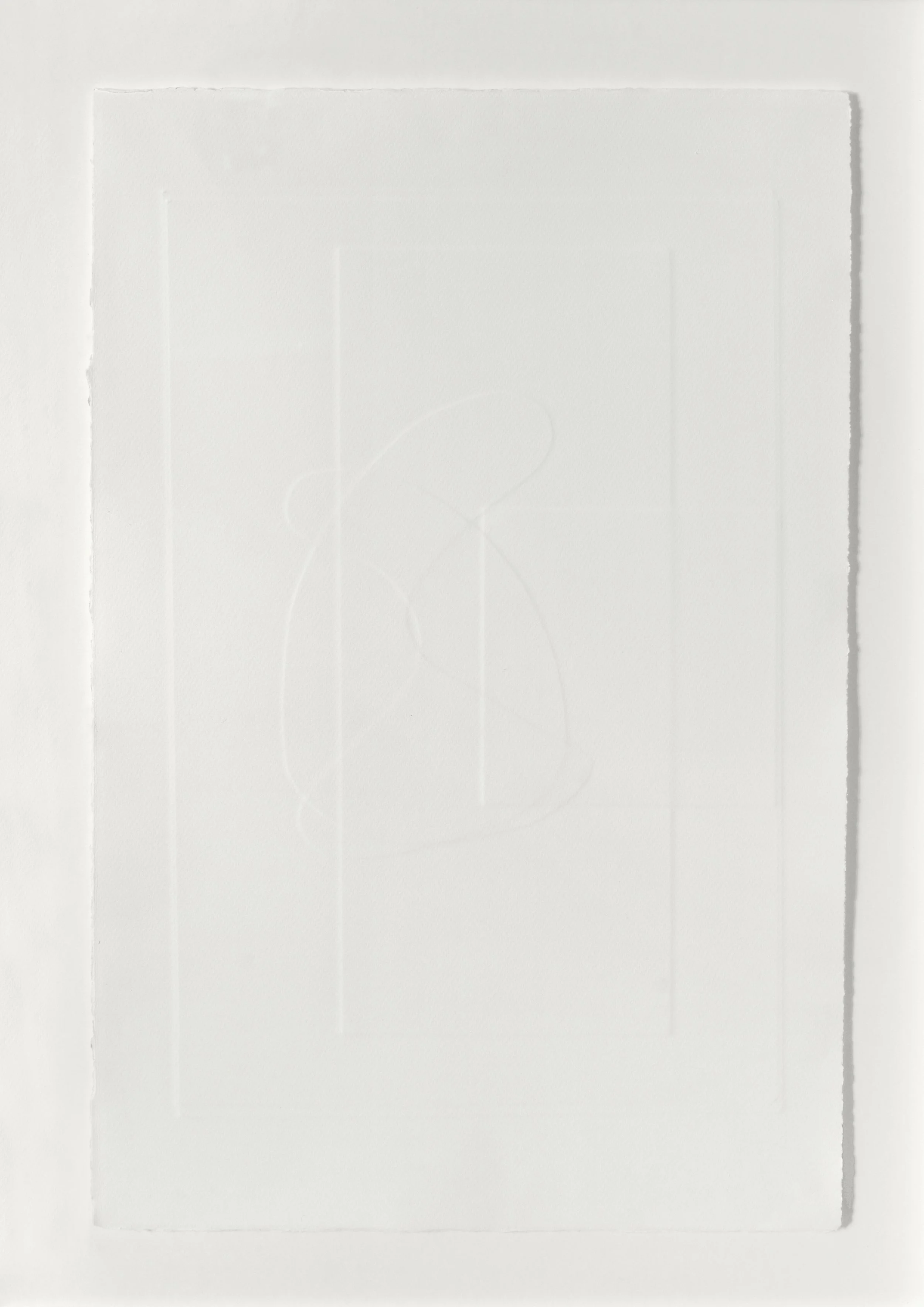
Cellform I, 2014, Relief Print, 54 x 40cm
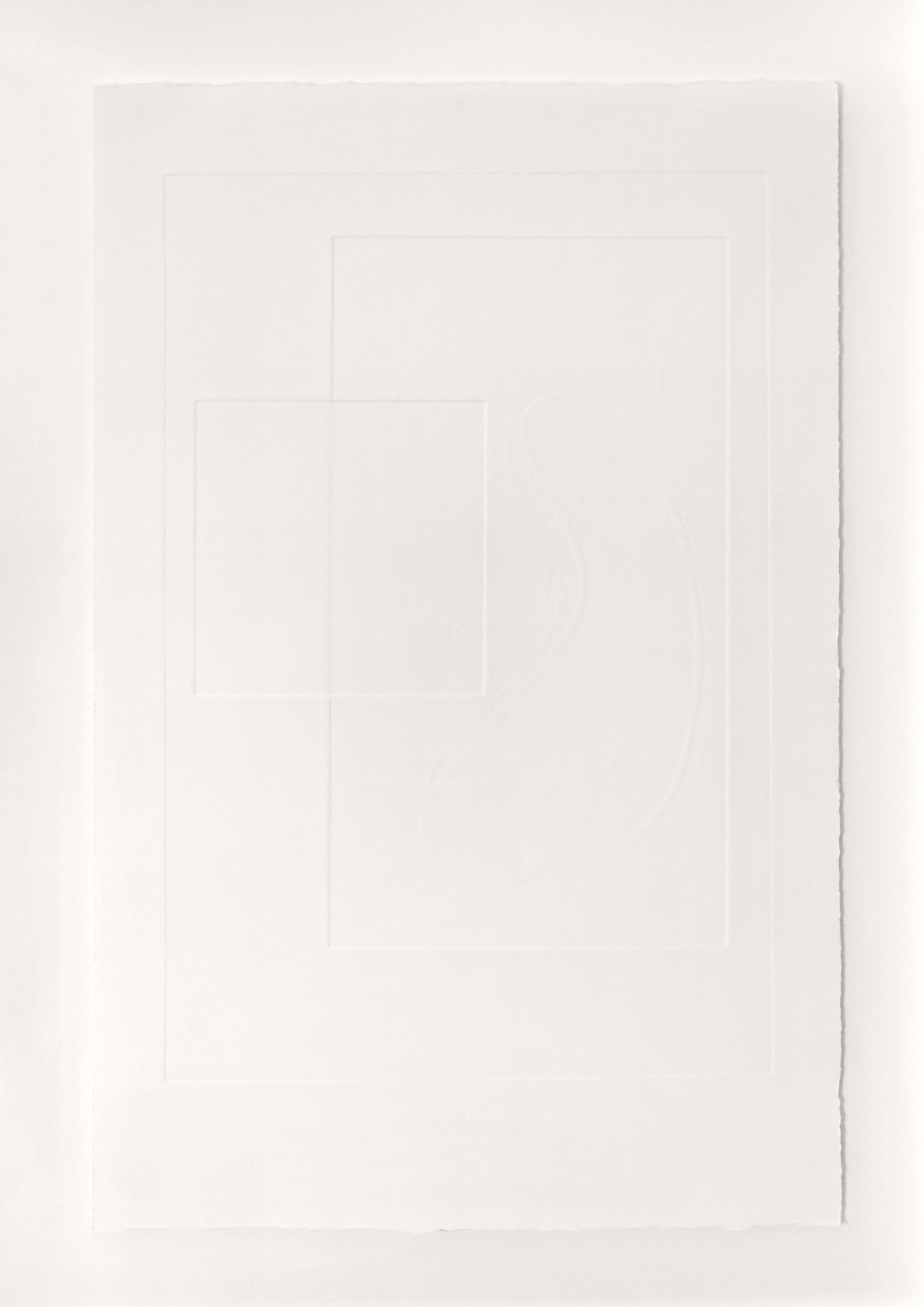
Cellform I, 2014, Relief Print, 54 x 40cm
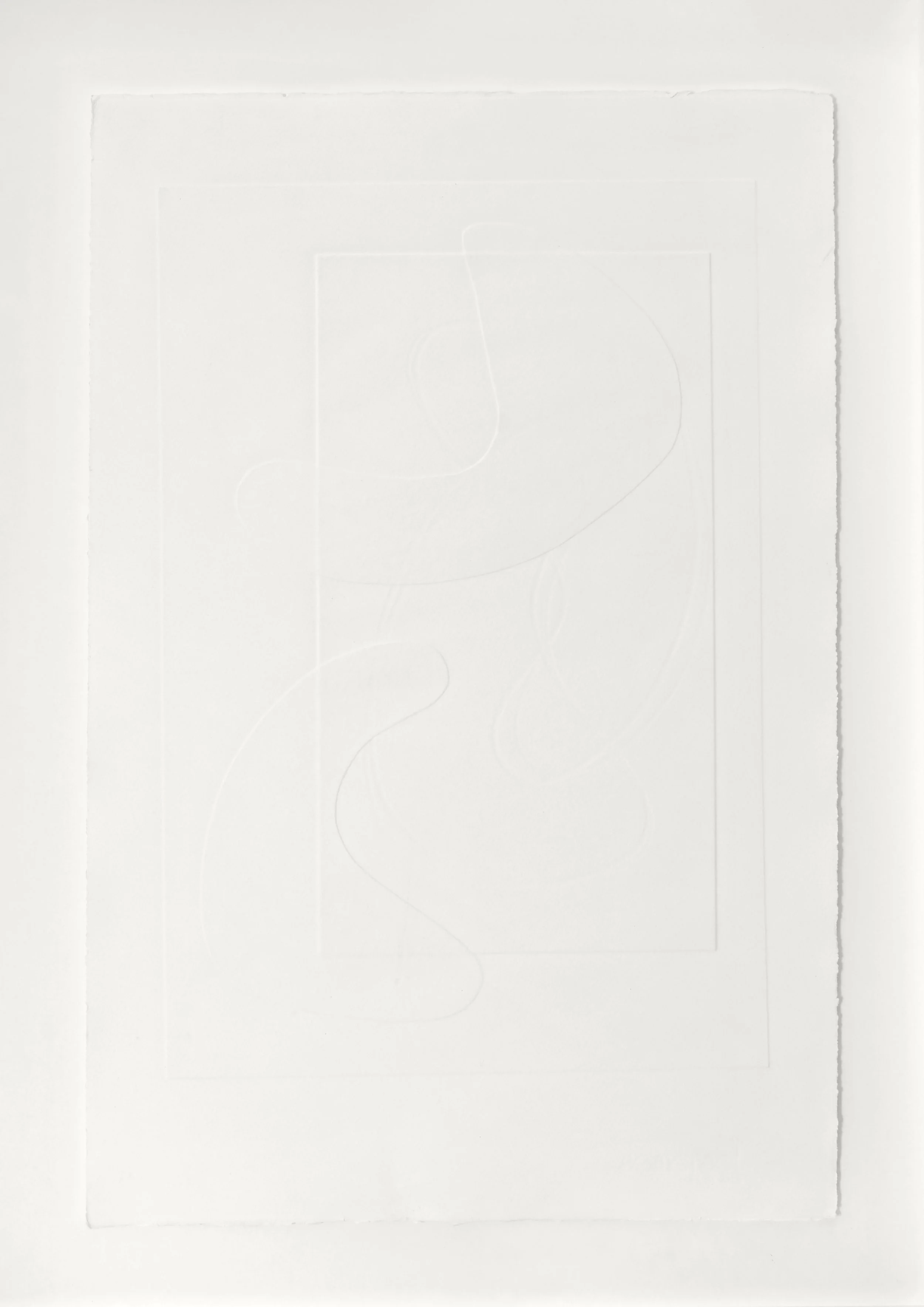
Cellform I, 2014, Relief Print, 54 x 40cm
Kilnave Cross
This print is based on a rubbing taken directly from the Kilnave Cross in red ‘Saunguine’ chalk, transforming and recording material, history, patina. The historic Kilnave Chapel and Cross are a ‘secret’ feature of Loch Gruinart; they’re almost invisible from the road and therefore often overlooked. The Kilnave Cross is a beautiful standing cross at the west end of the church, almost 3m high. This cross is carved on one side only and very little remains; you need very good light to decipher what is left.
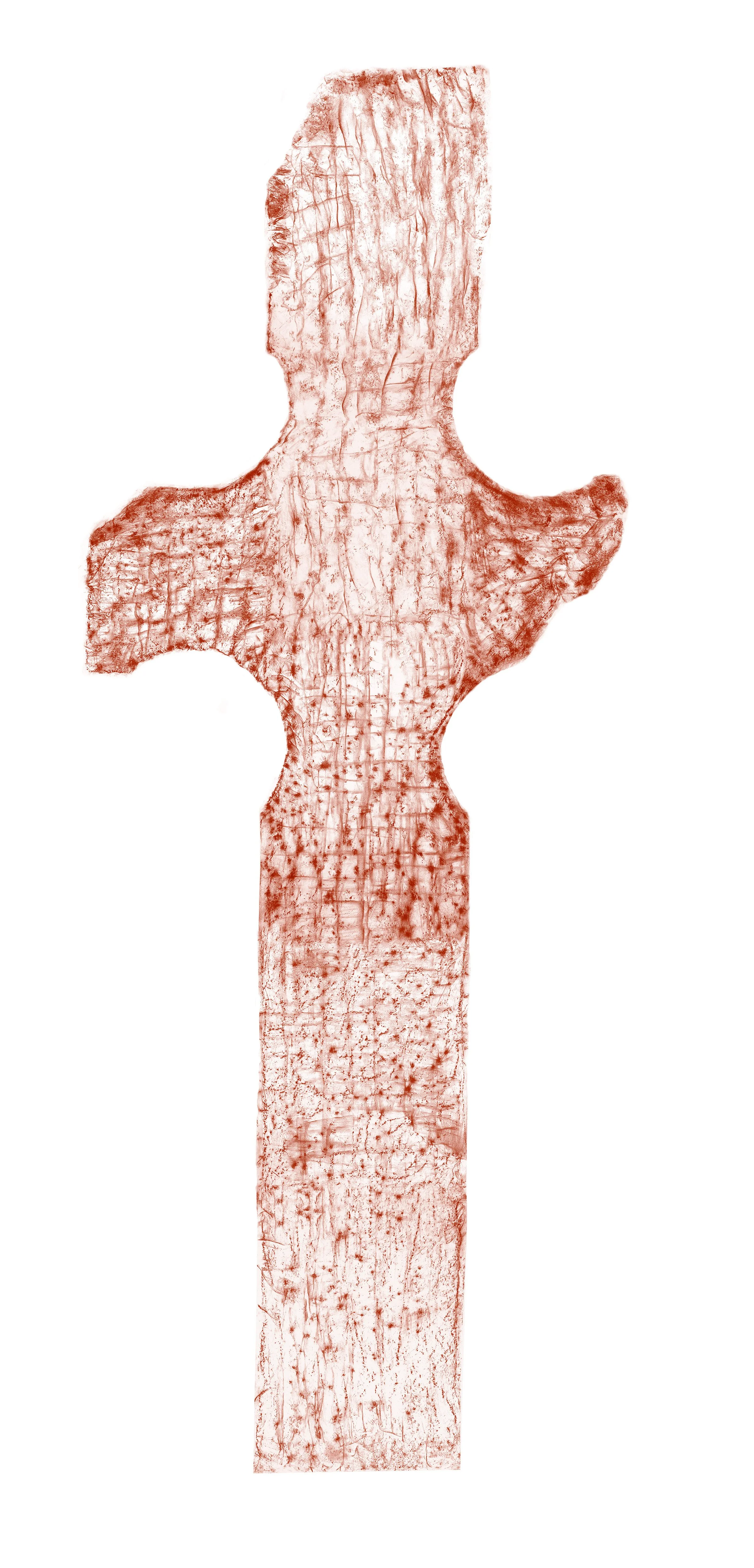
Kilnave Cross, 2017, C-Type Photograph, 290 x 112cm
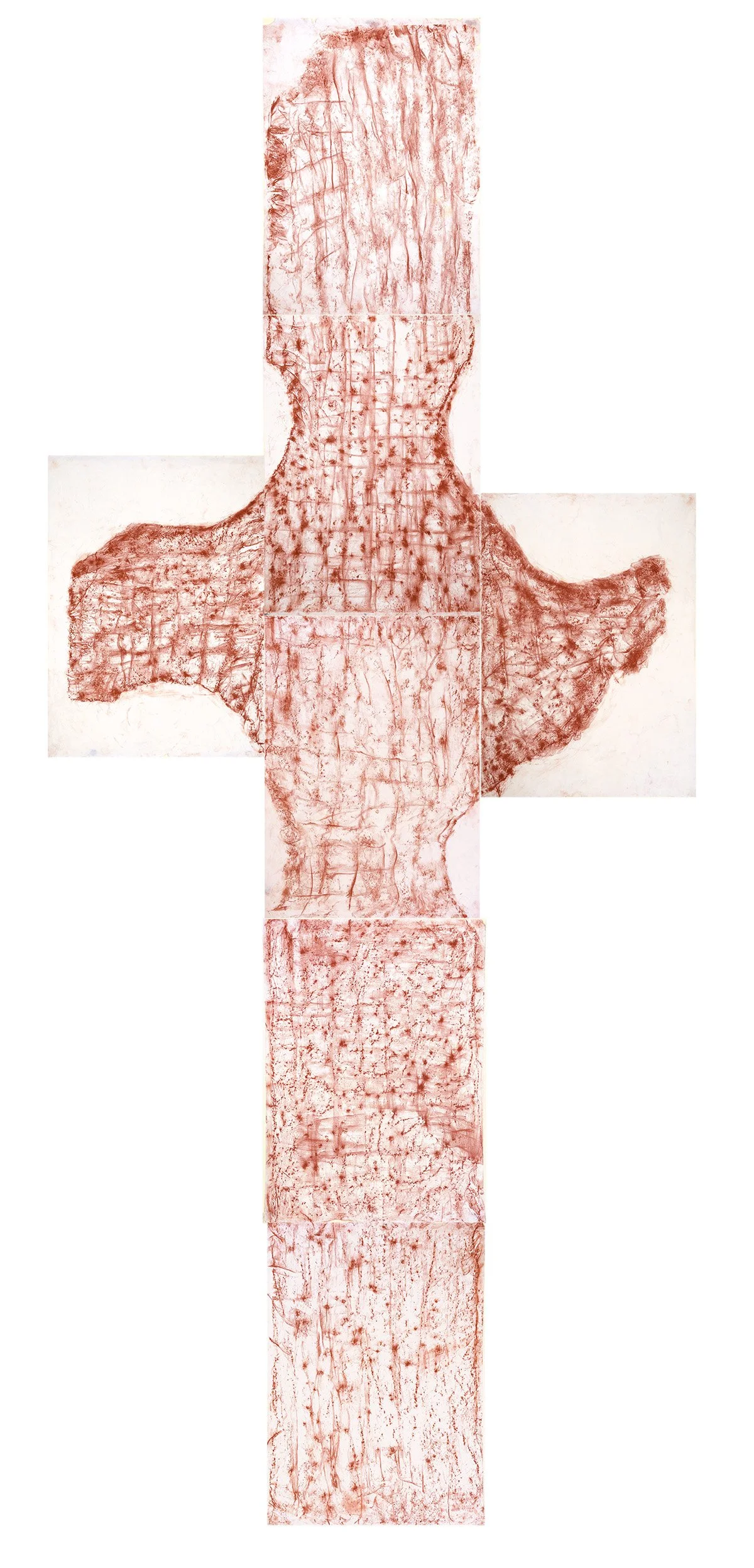
Study for Kilnave Cross, 2017, Sanguine Chalk, 290 x 112cm