Stone Carving
Ancient and Modern Series
Quern - Sanctity of the Everyday
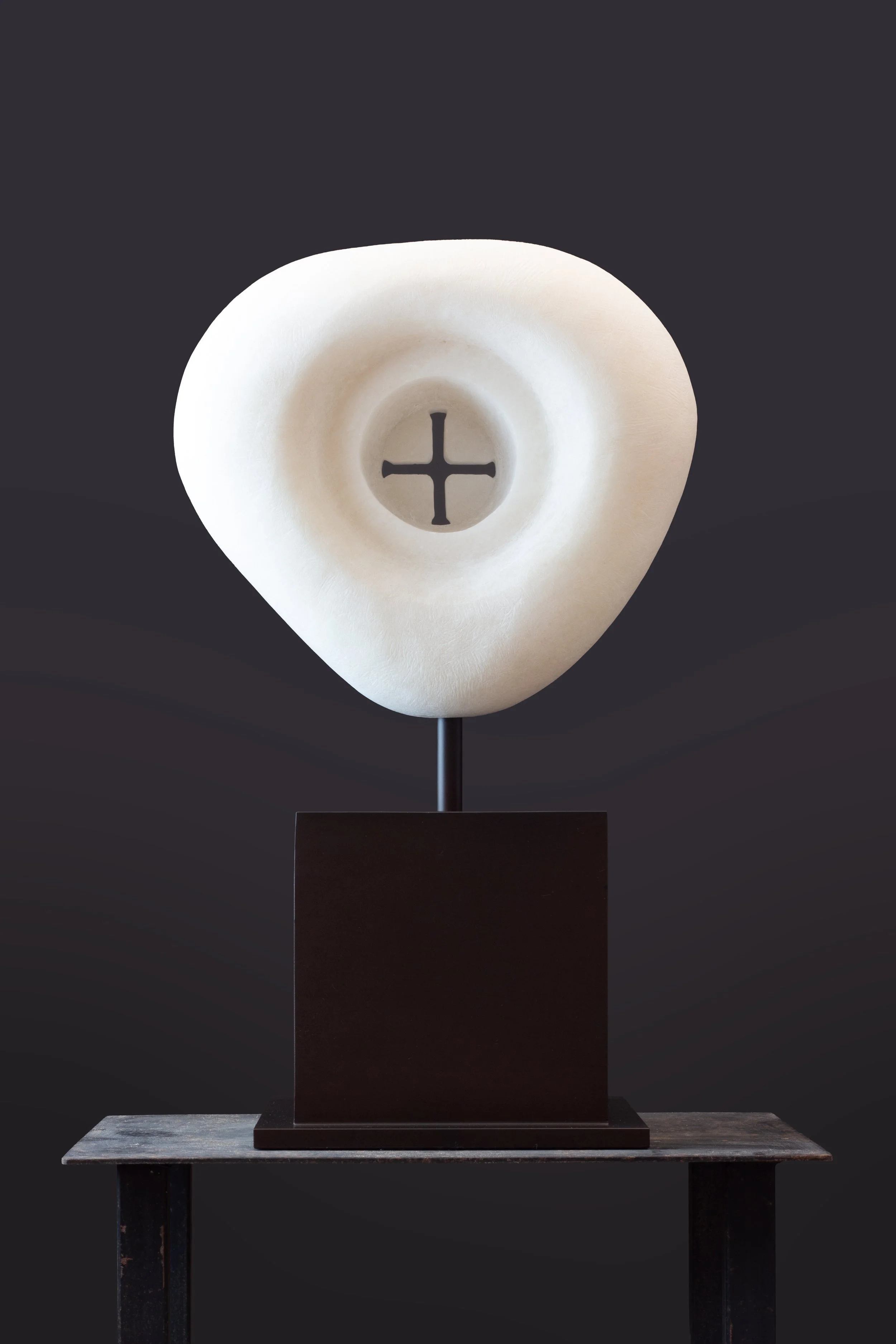
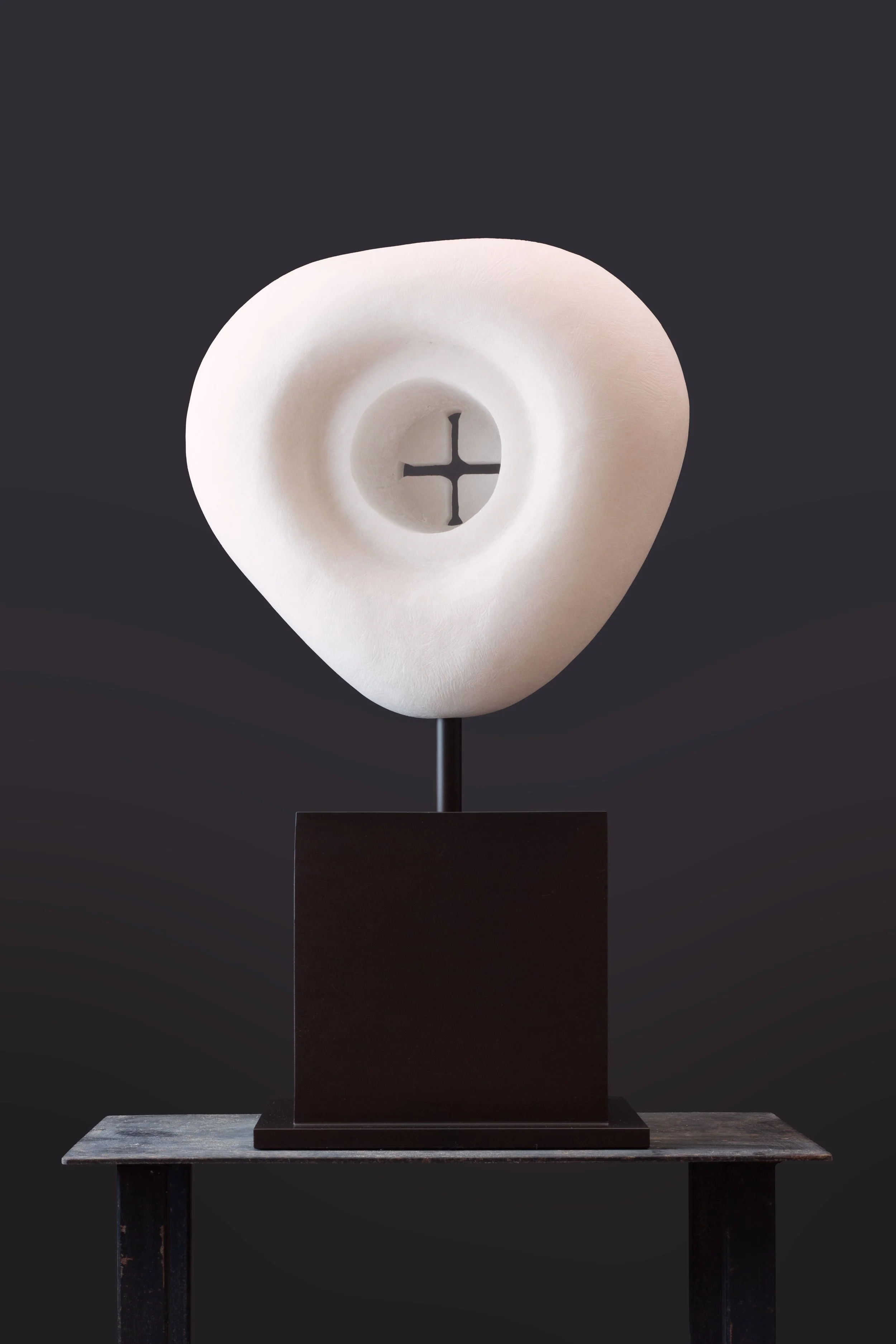
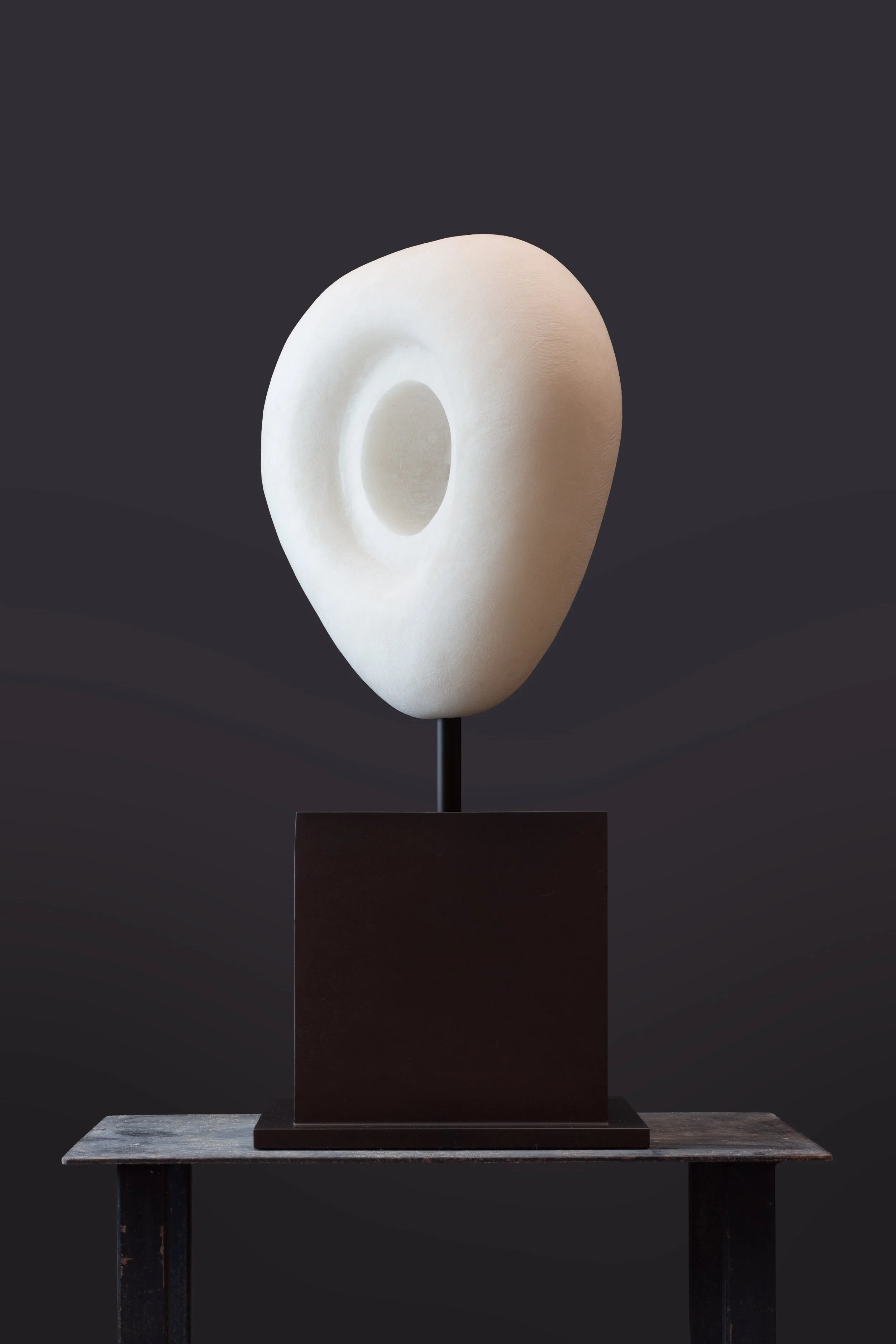
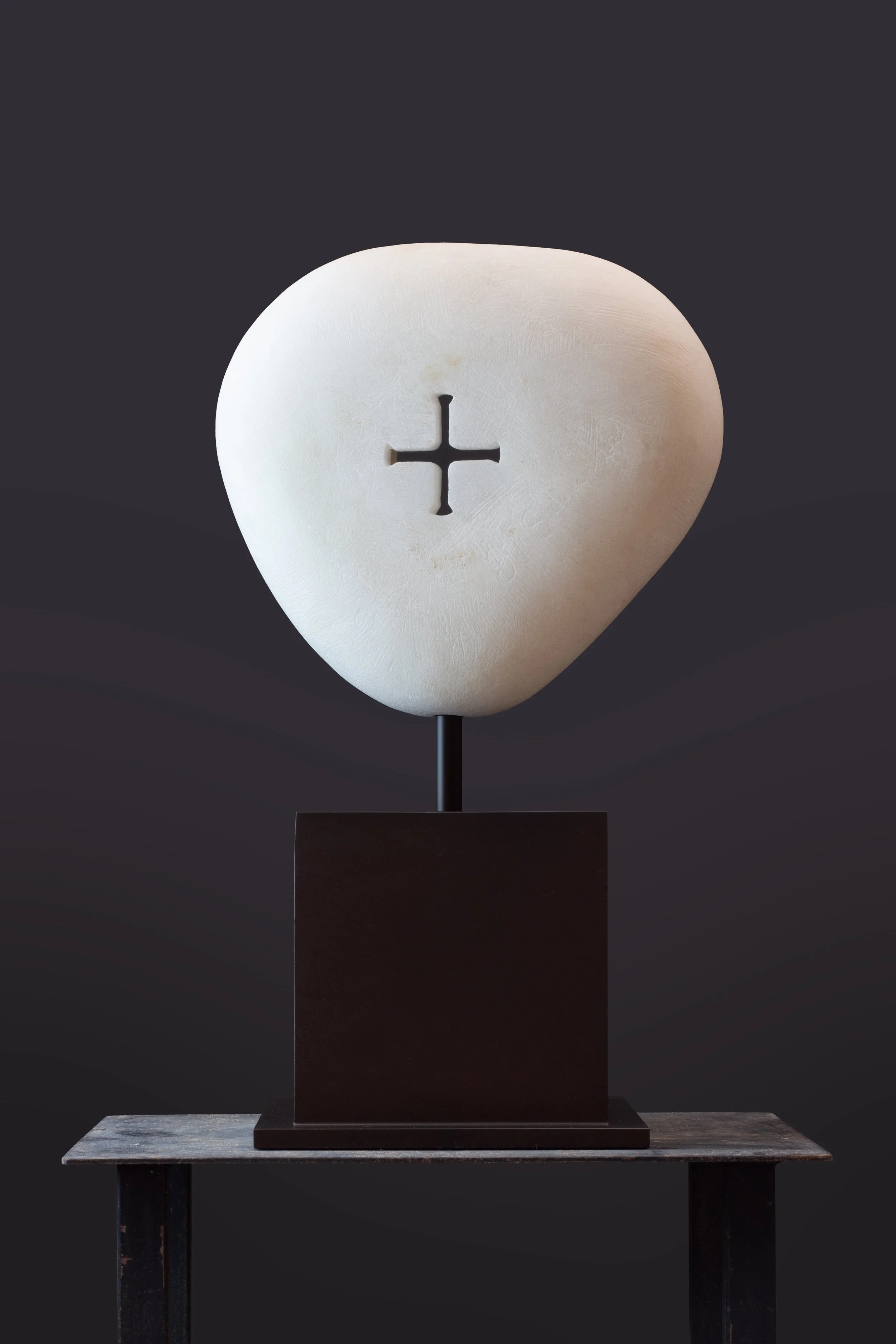
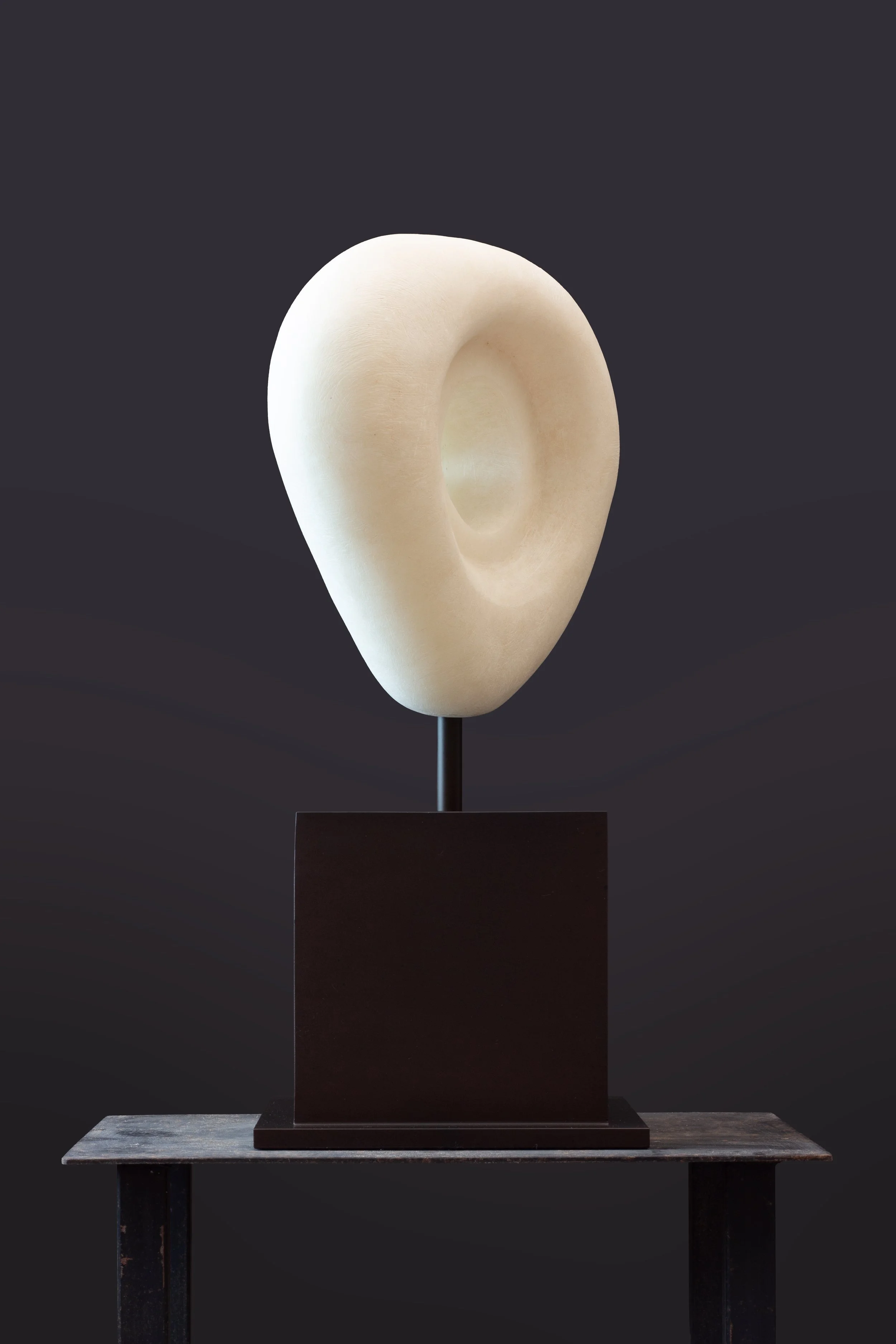
Sanctity of the Everyday looks at what I consider to be a staple in any neolithic home – the quern. The quern was carved from a hard wearing local stone, used for grinding corn and was small enough (about the same size as my carving) to be carried from one abode to another. The inside of my carving represents the modern staple in our culture: the plug hole in a sink. It comes directly from my mother’s own kitchen sink where I saw this exact shape of an early Christian Cross in copper – designed to prevent a plug disappearing down the dark hole. I was struck by the image of redemption in such a central and prosaic part of our everyday life.
Quern - Sanctity of the Everyday, 2022, alabaster, sculpture: 27 x 25 x 8cm, plinth: 20 x 20 × 22cm
Axe Head Guillotine
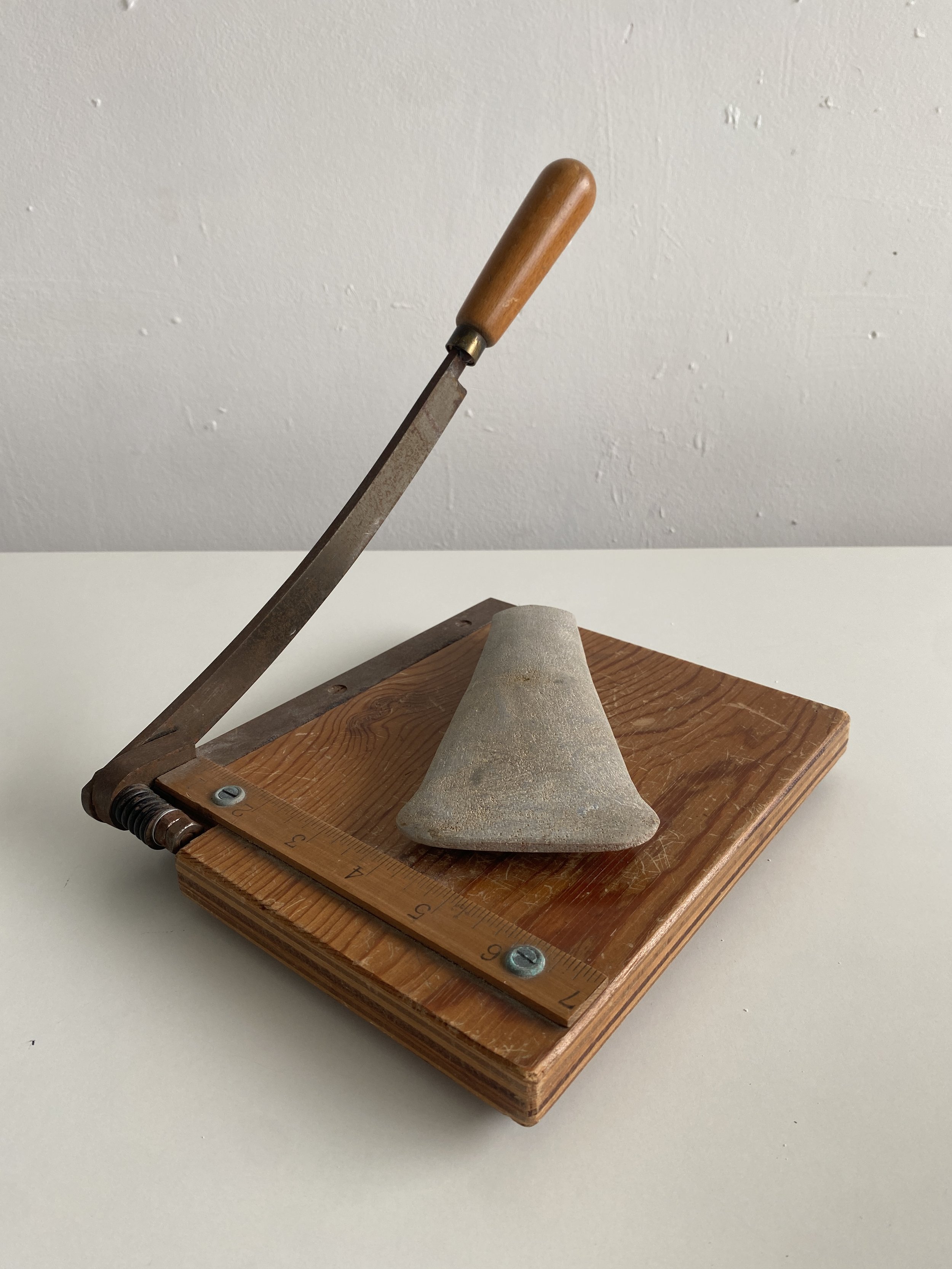
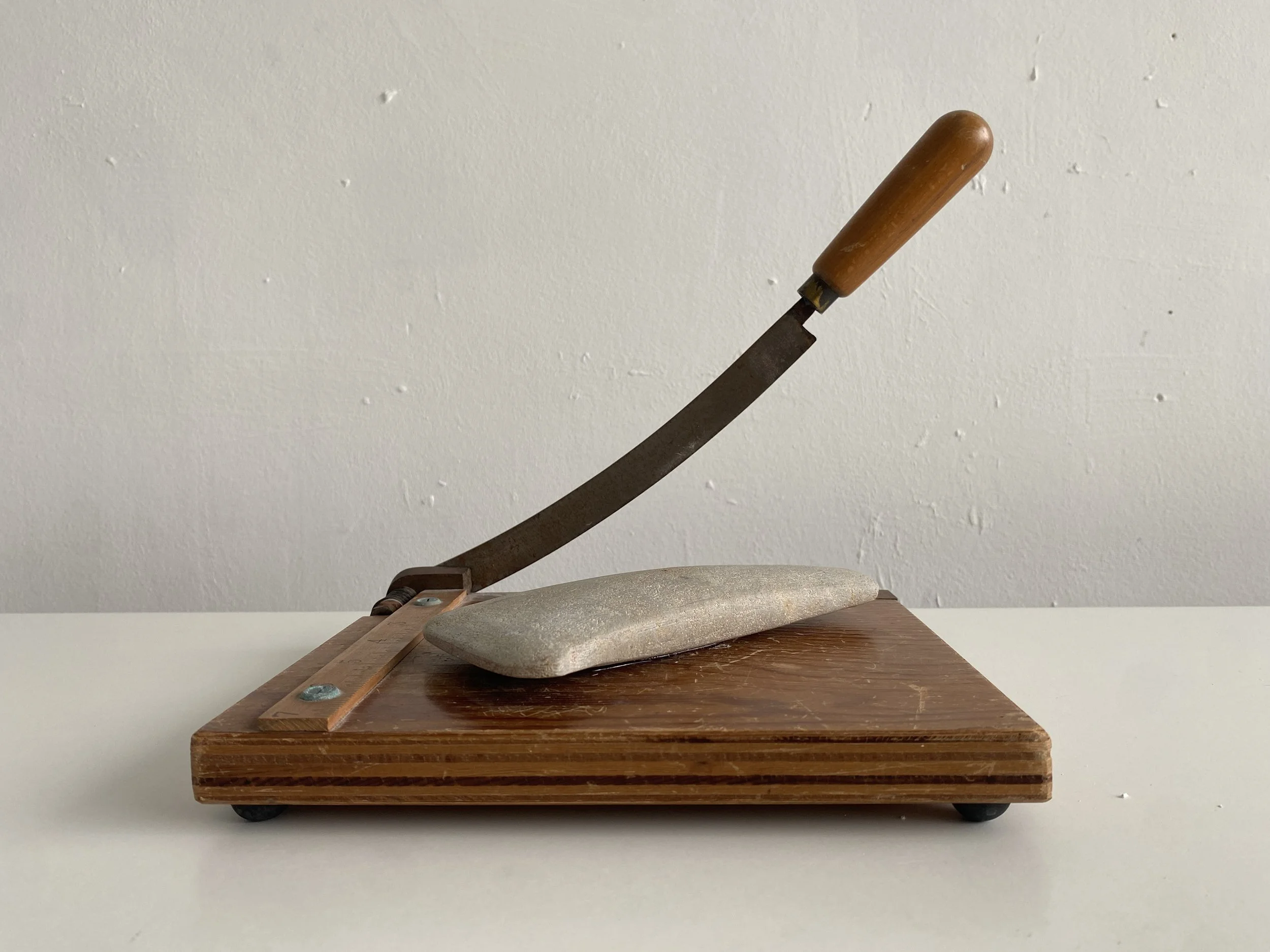
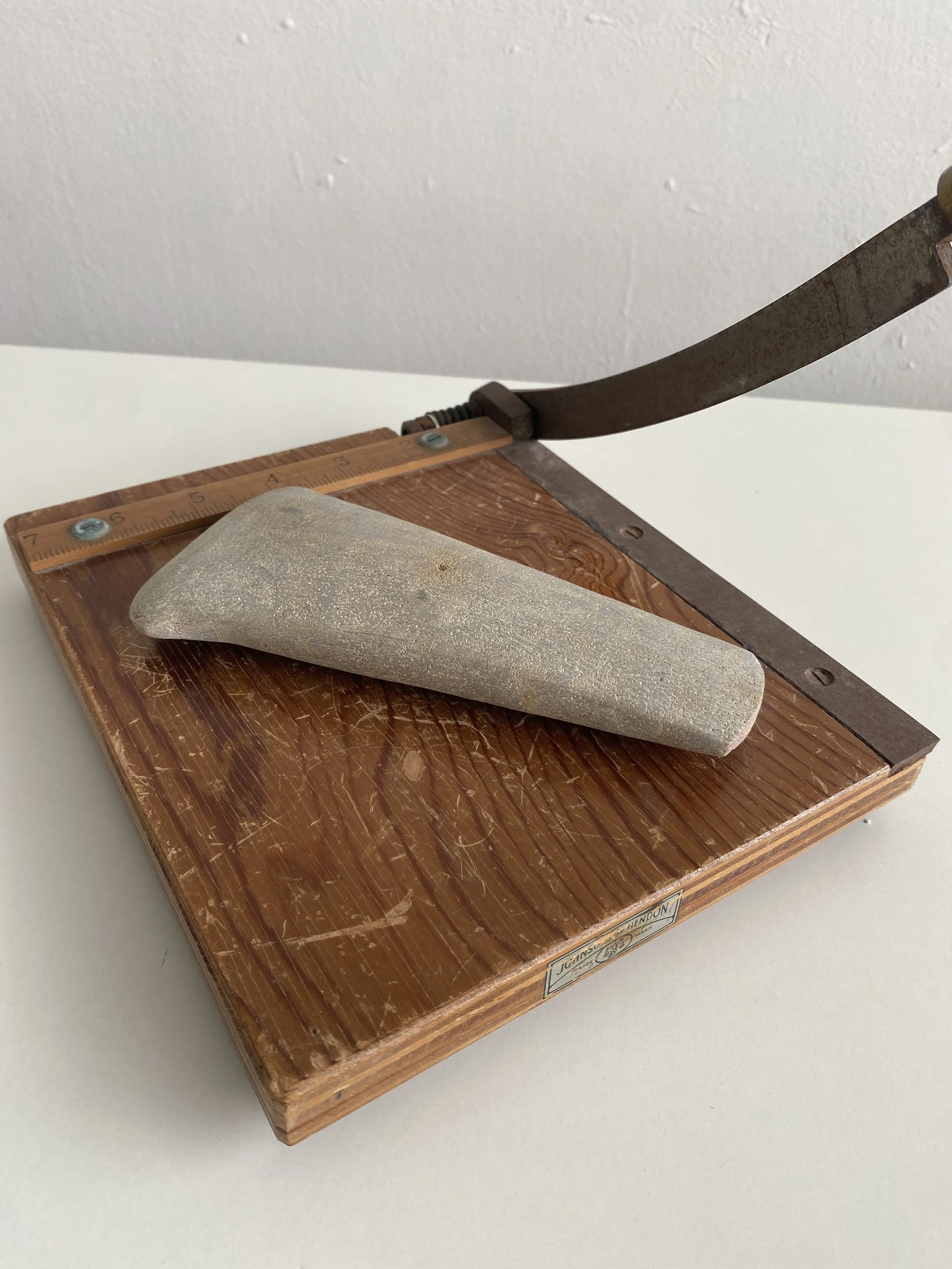
This sculpture is an assemblage of carving and found object. The carving is based on neolithic axe heads I studied in the British Museum and which I hand-carved in a tough, difficult to work with builder’s stone called Moolem. The vintage paper-guillotine once belonged to my grandmother.
Axe Head Guillotine, 2025, hand carved Moolham stone with found object, 32 x 18 x 6cm
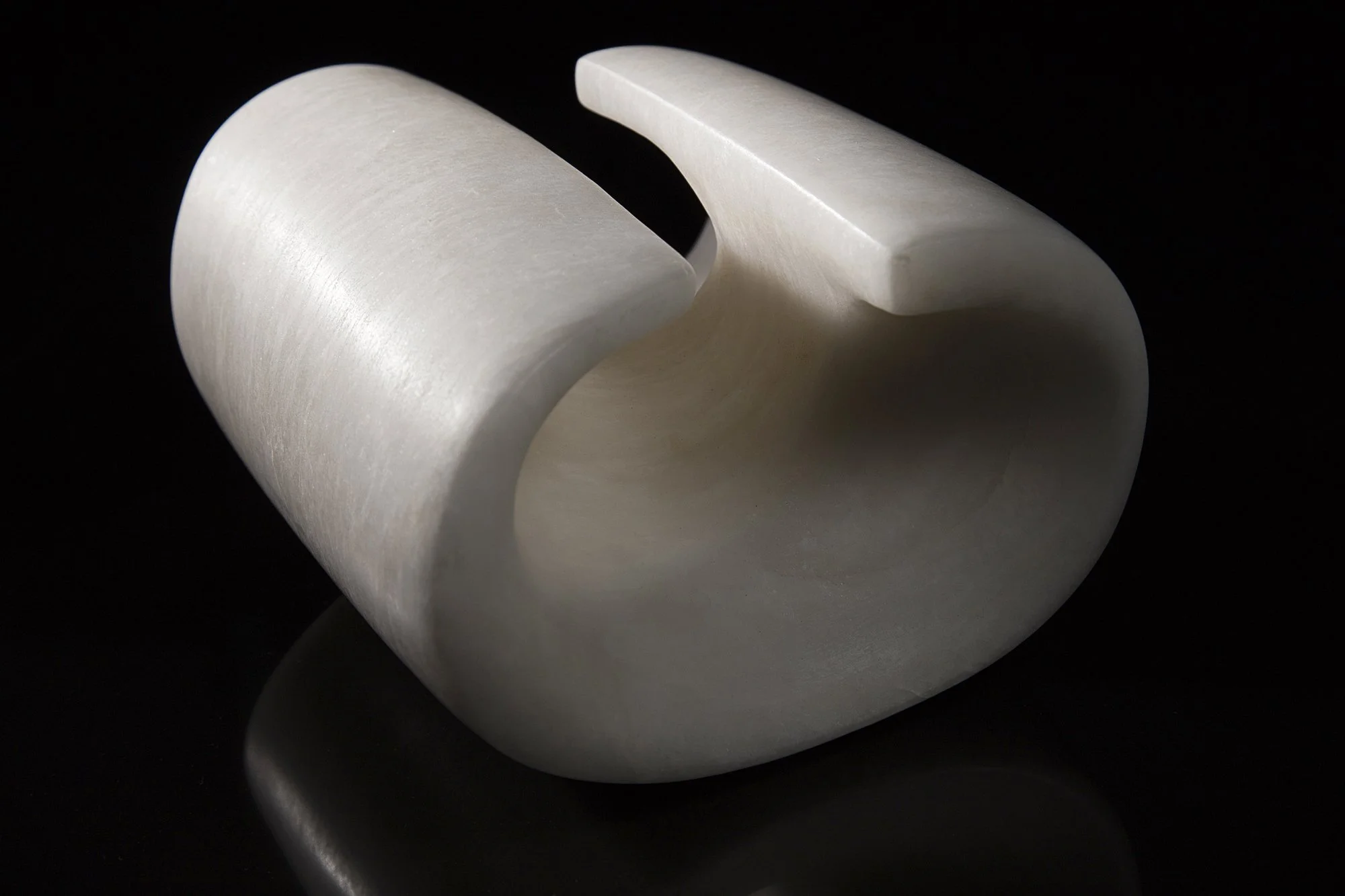
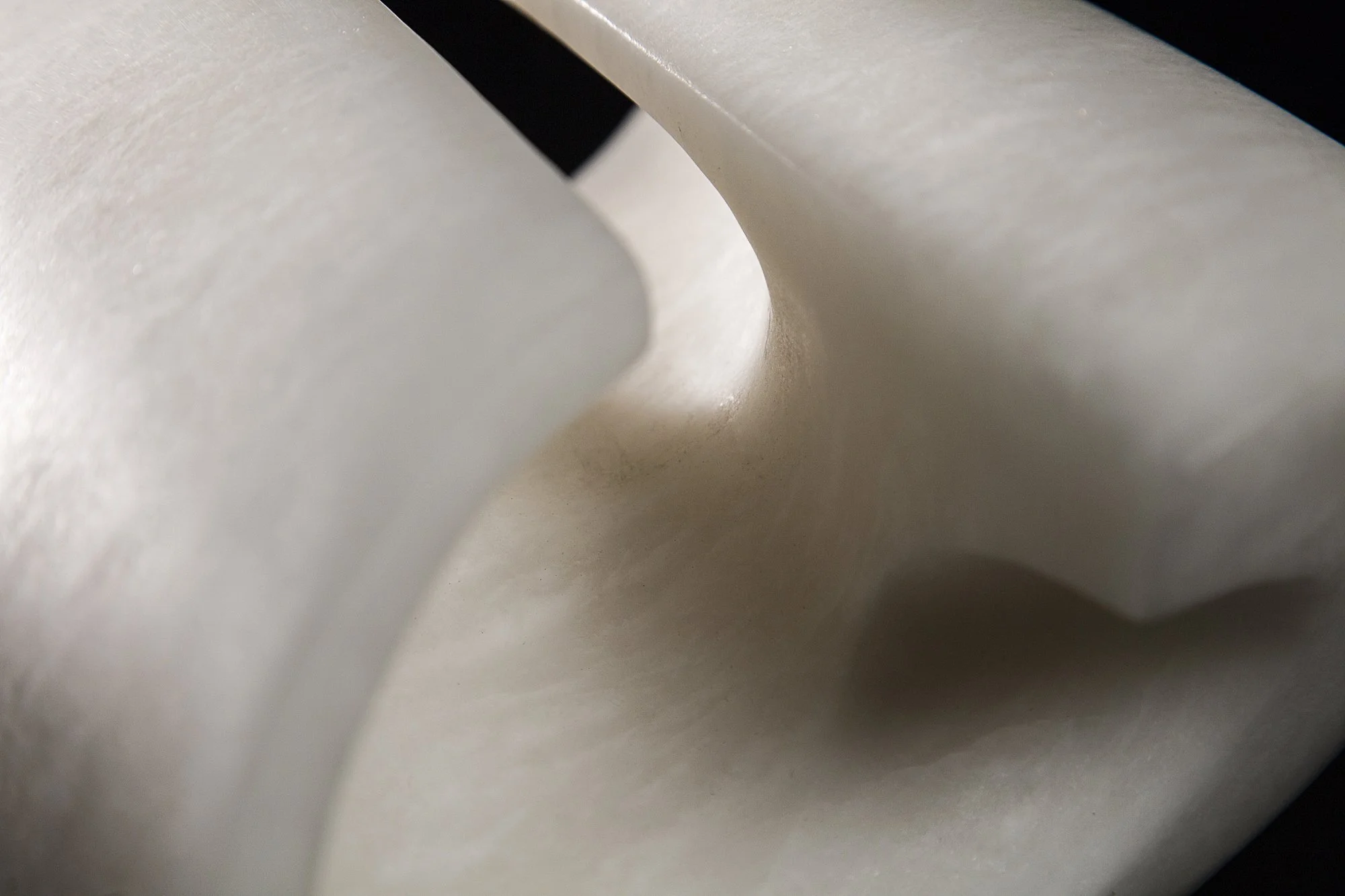
Cinnamon Cylinder
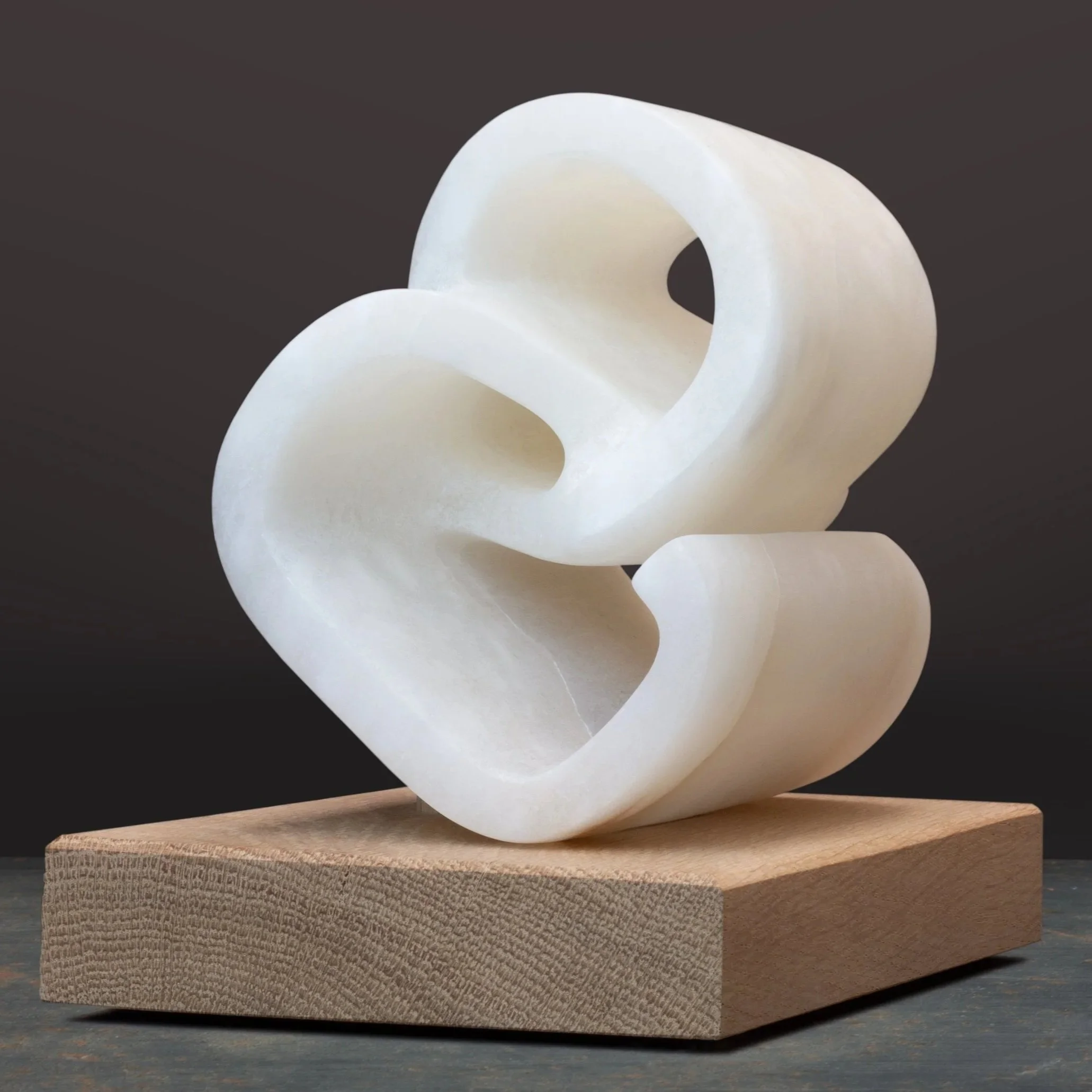
Cinnamon Cylinder, 2019, alabaster, 23.5 × 19.4 × 12.5cm
![Salomon - Alabaster (Sep 2021 Harry Hall [004] 5DSR9763).jpg](https://images.squarespace-cdn.com/content/v1/688b5ca8f01b8e3a2971da7c/50f171a5-73cd-4252-a0d7-450a86a36323/Salomon+-+Alabaster+%28Sep+2021+Harry+Hall+%5B004%5D+5DSR9763%29.jpg)
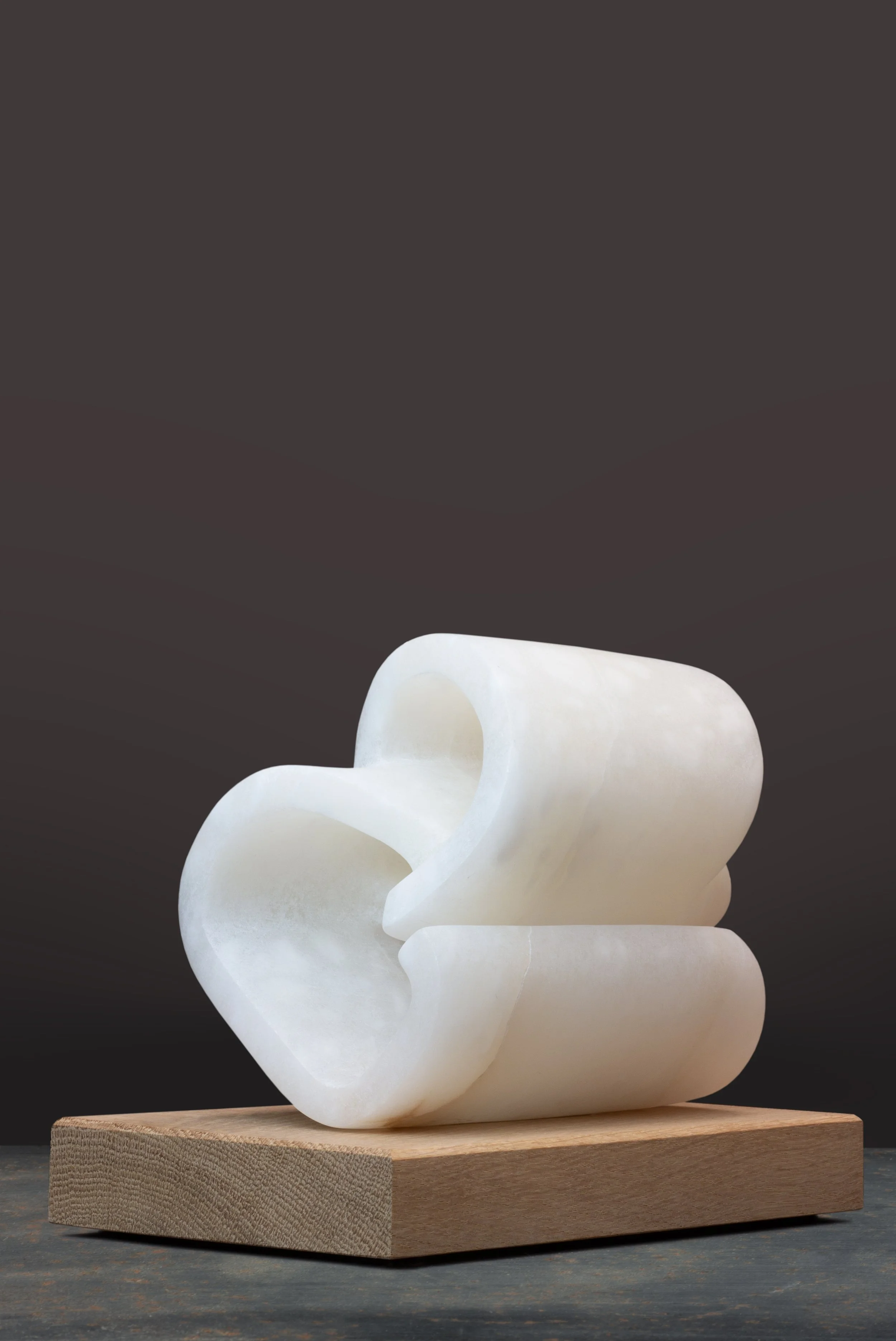
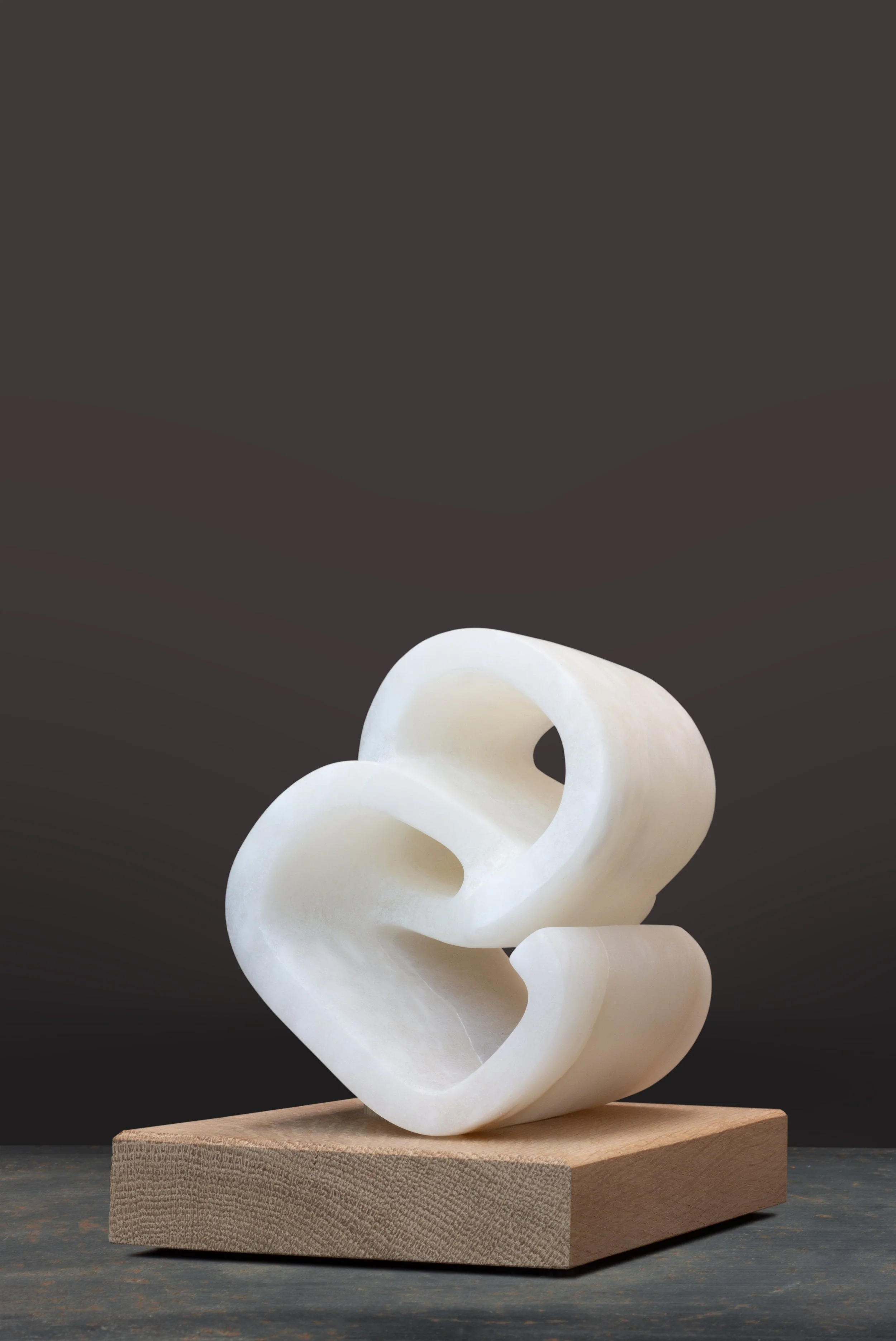
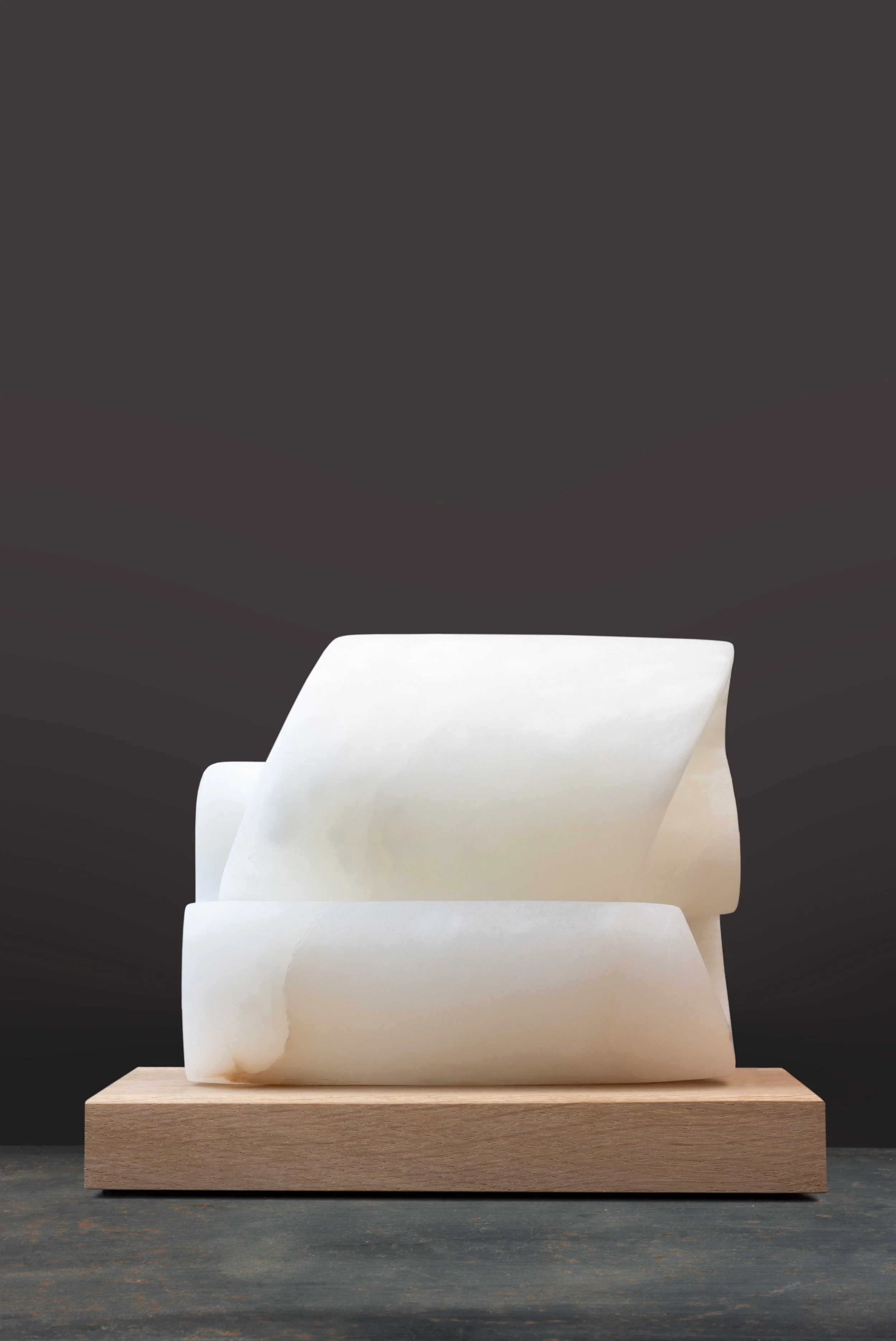
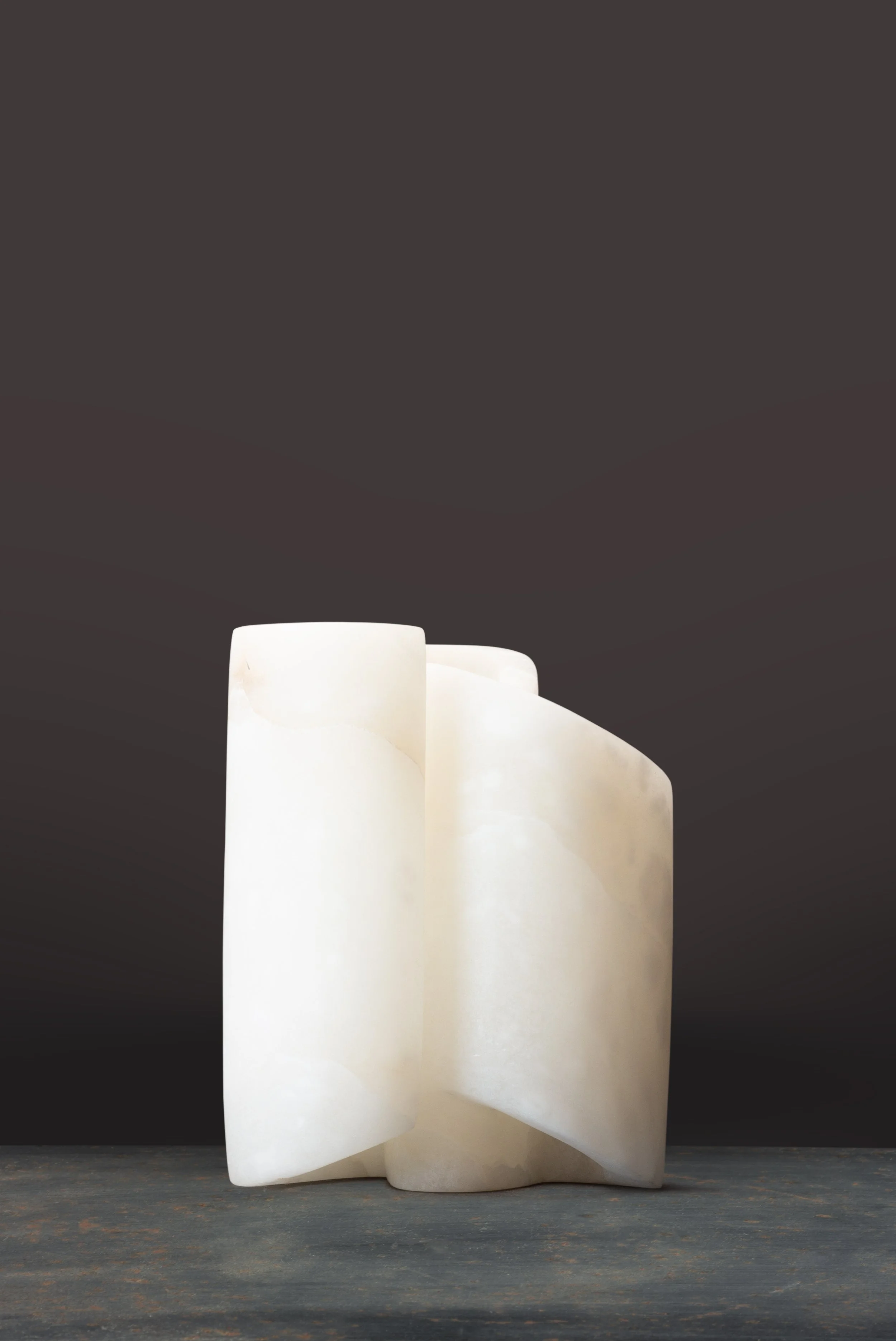
Cylinder Circle
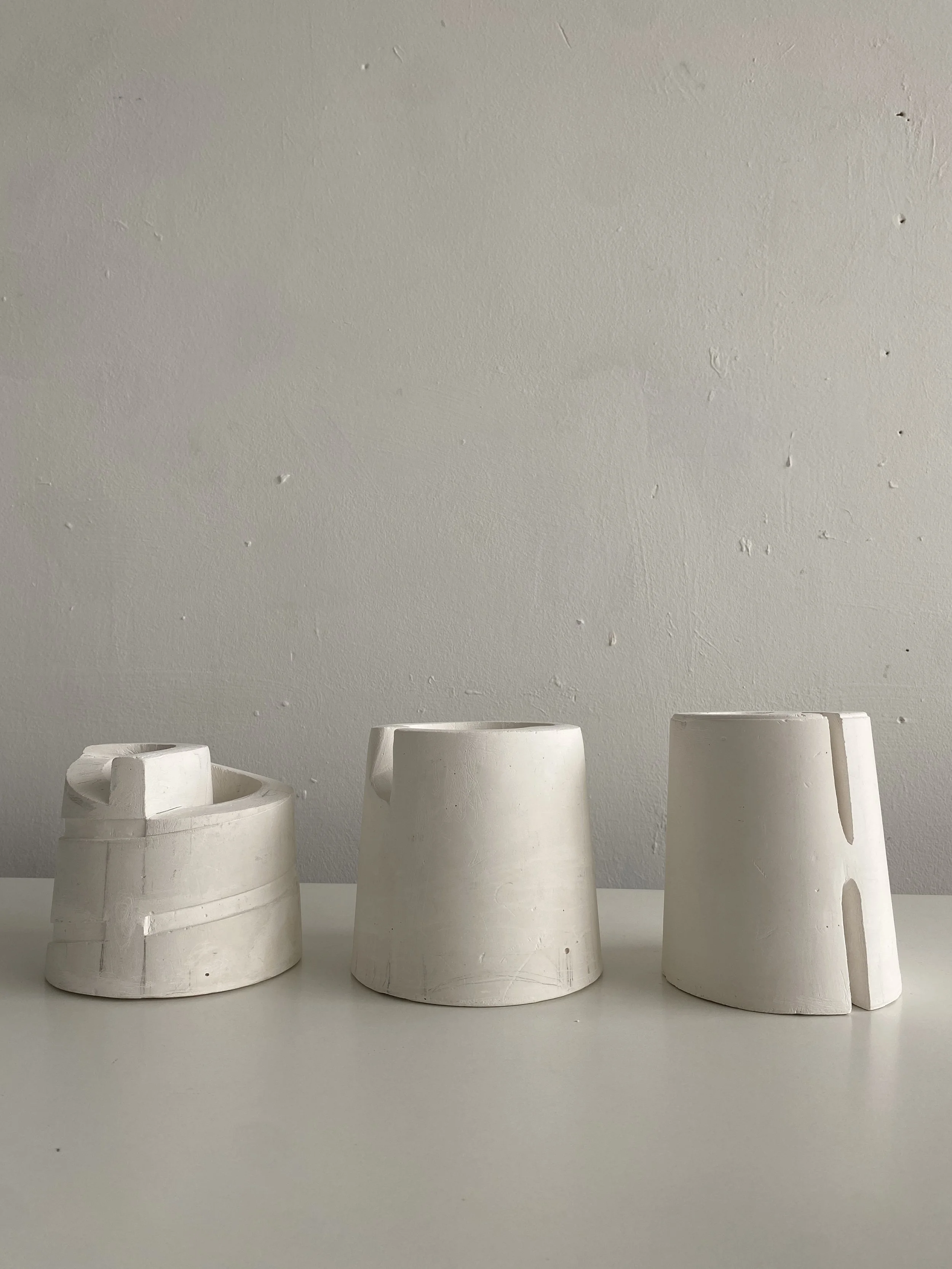
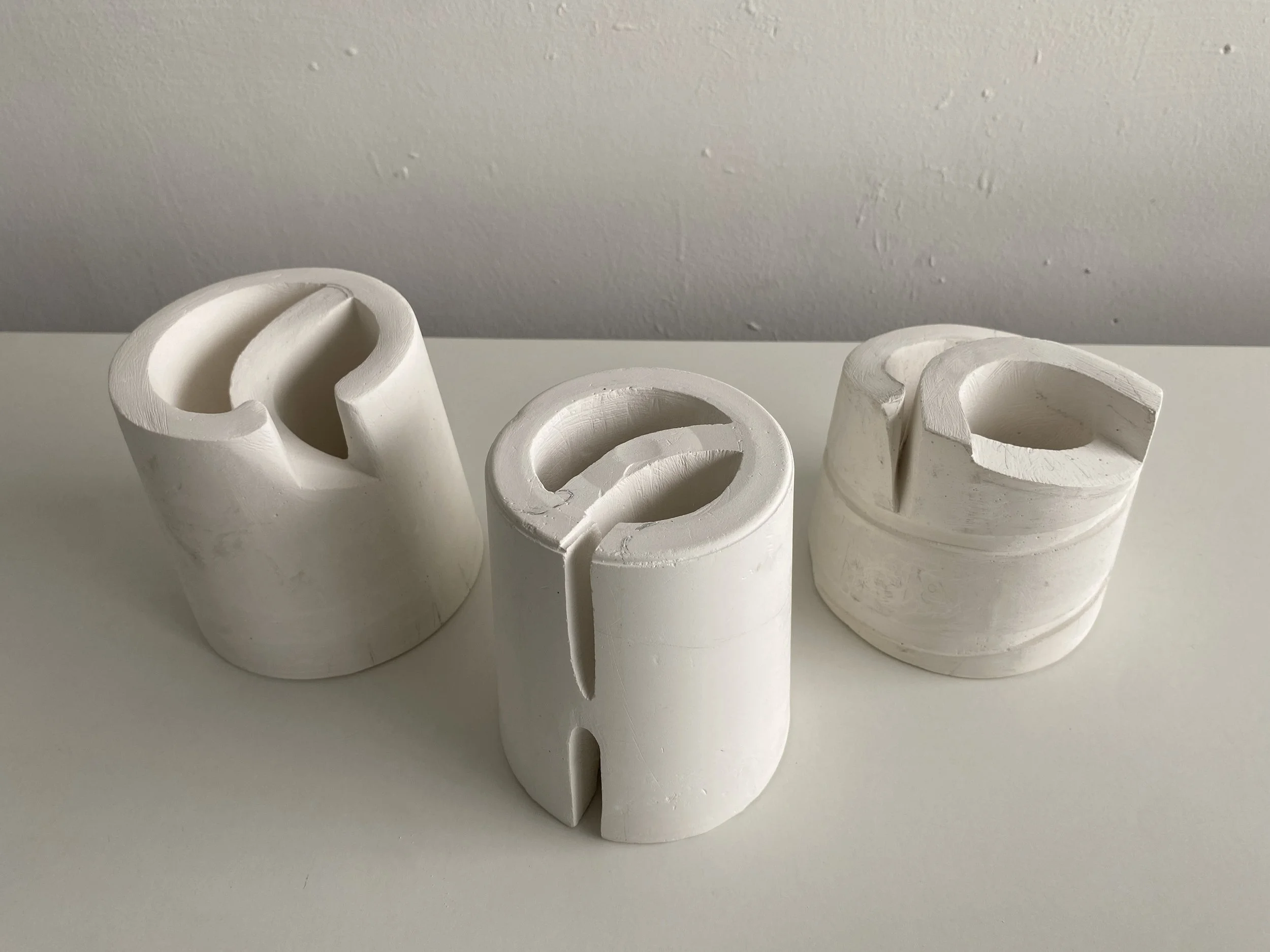
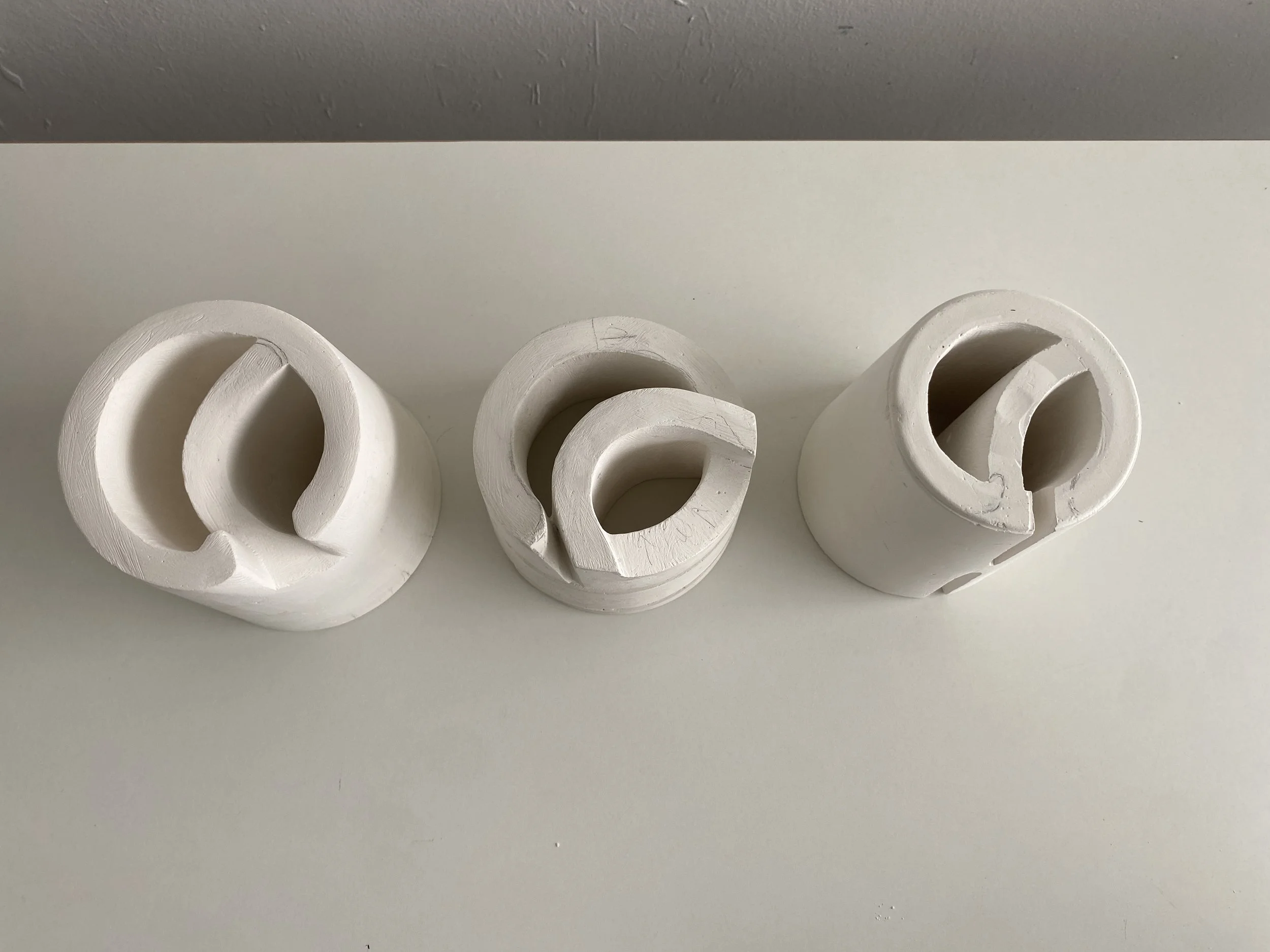
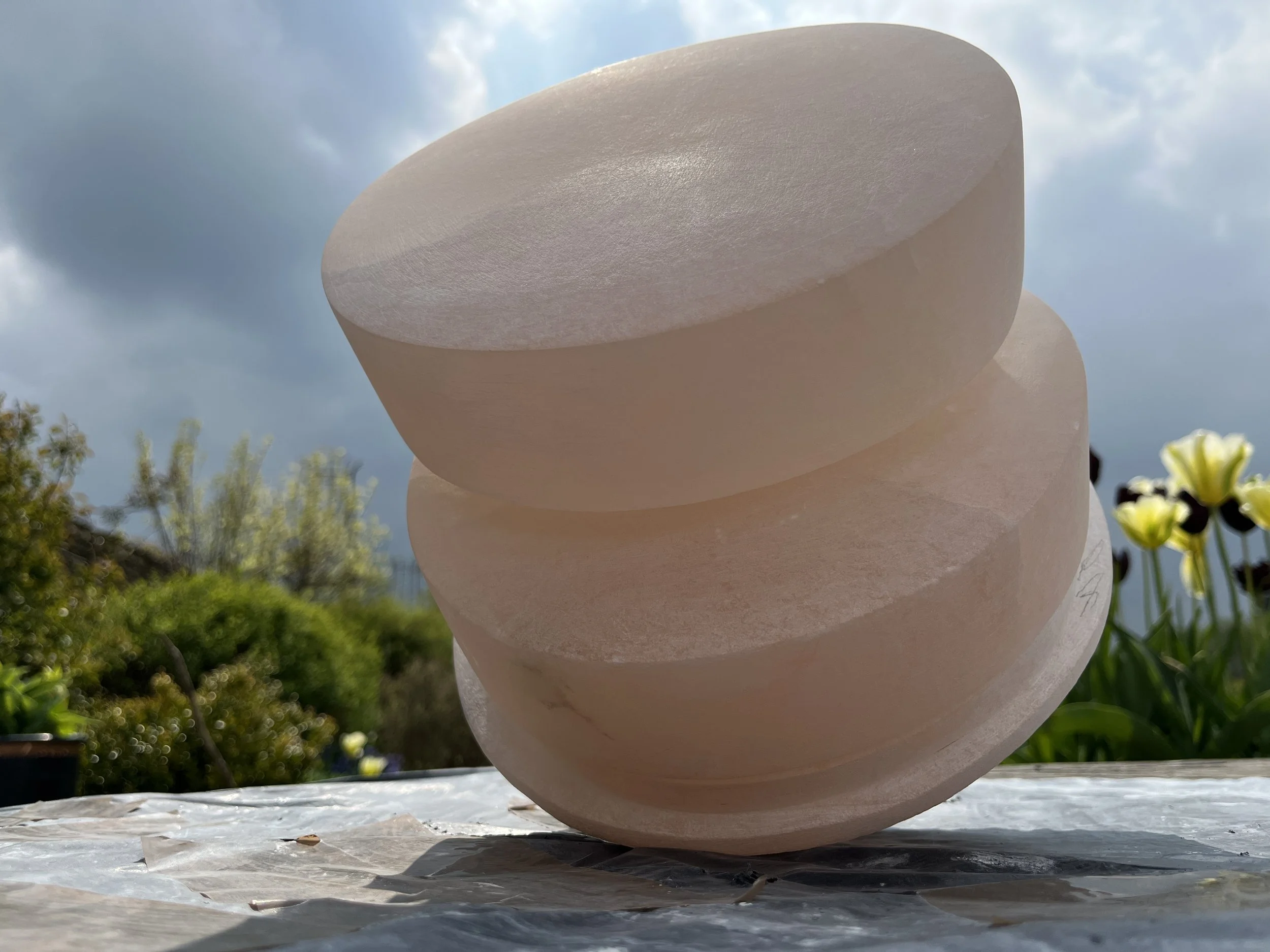
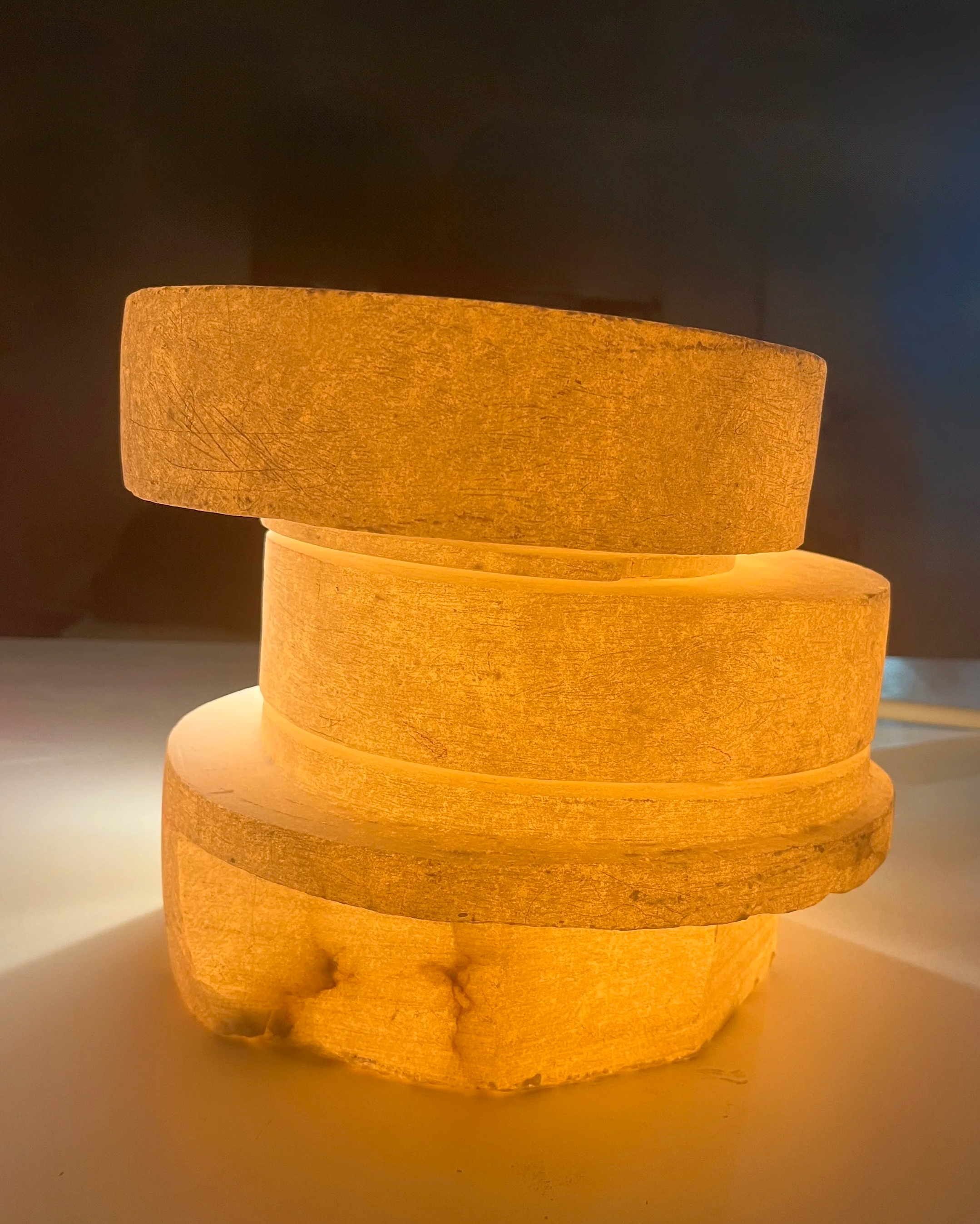
This piece comes directly from nature and was inspired by the formal shapes of the cylinder and circle which I found interlocked in a piece of cinnamon bark.
Cylinder Circle, 2023, alabaster, carving: 17.5 × 11.5 × 14cm
Photography by Stephanie Bird
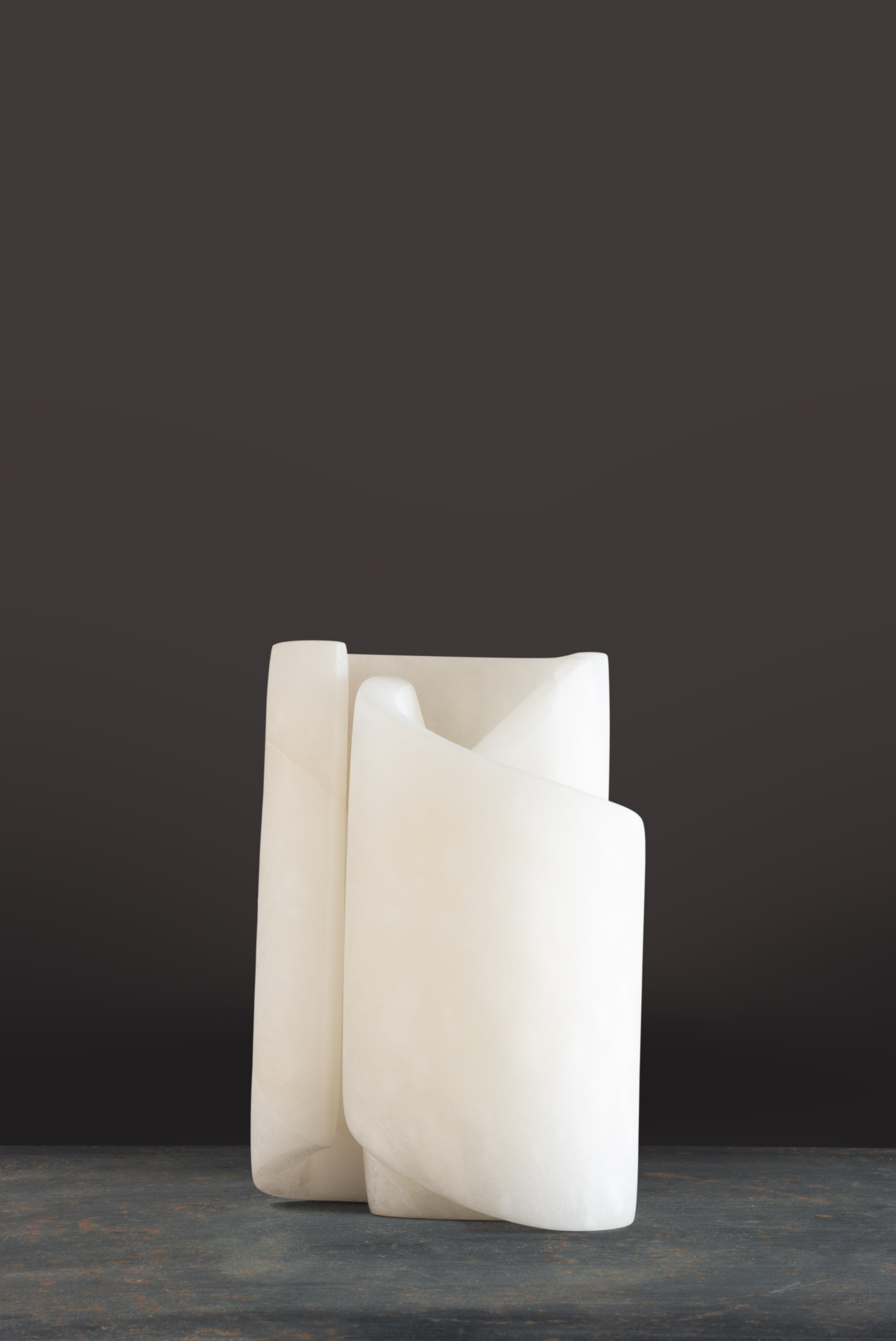
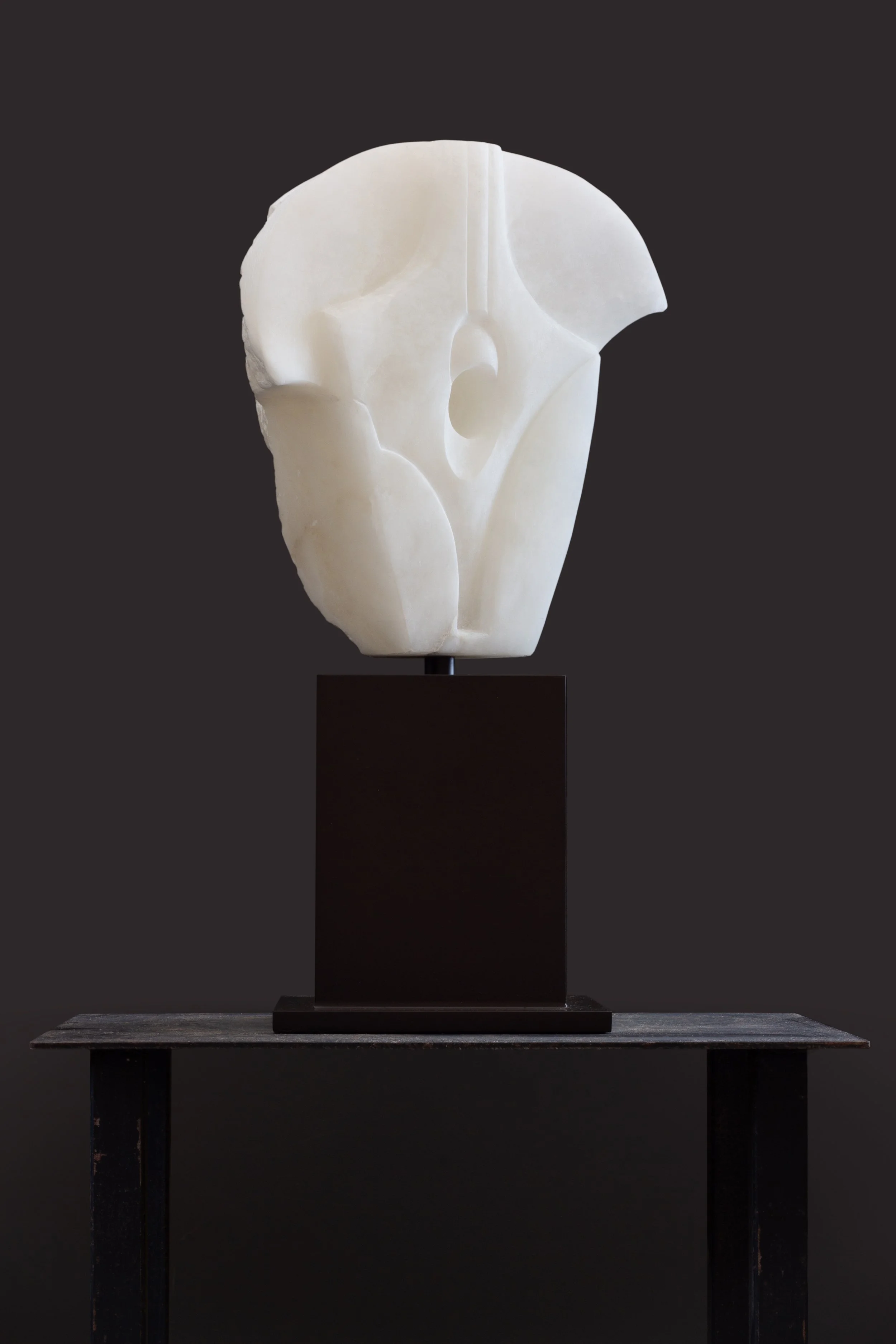
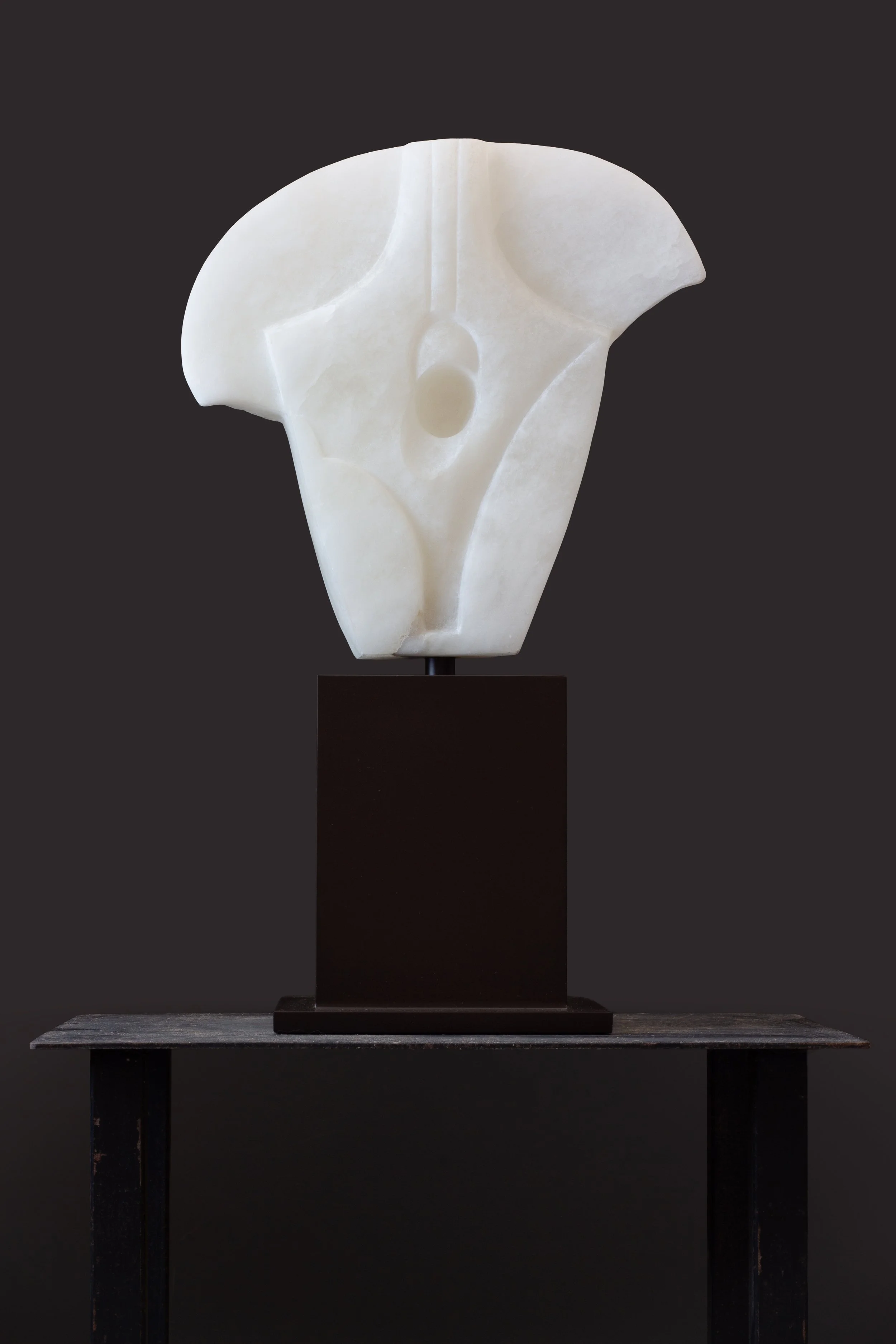
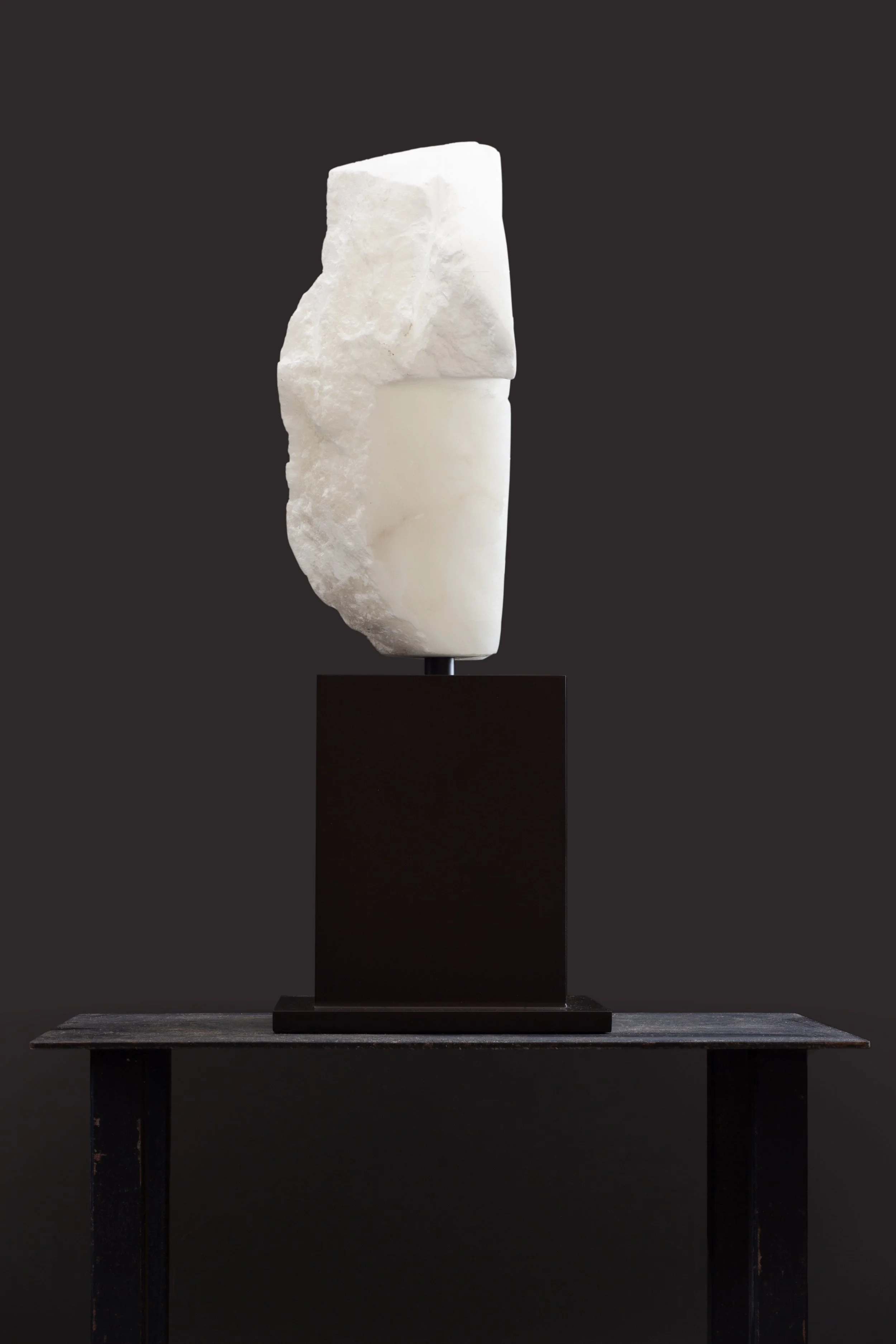
Other Worlds I
The series is at the heart of my interest in early archaeology and anthropology, and focuses on a juxtaposition of equivalent objects from the domestic, both in recent personal and familial history and from ancient civilisations.
Other Worlds I, 2024, alabaster, sculpture: 16 × 26 × 11cm
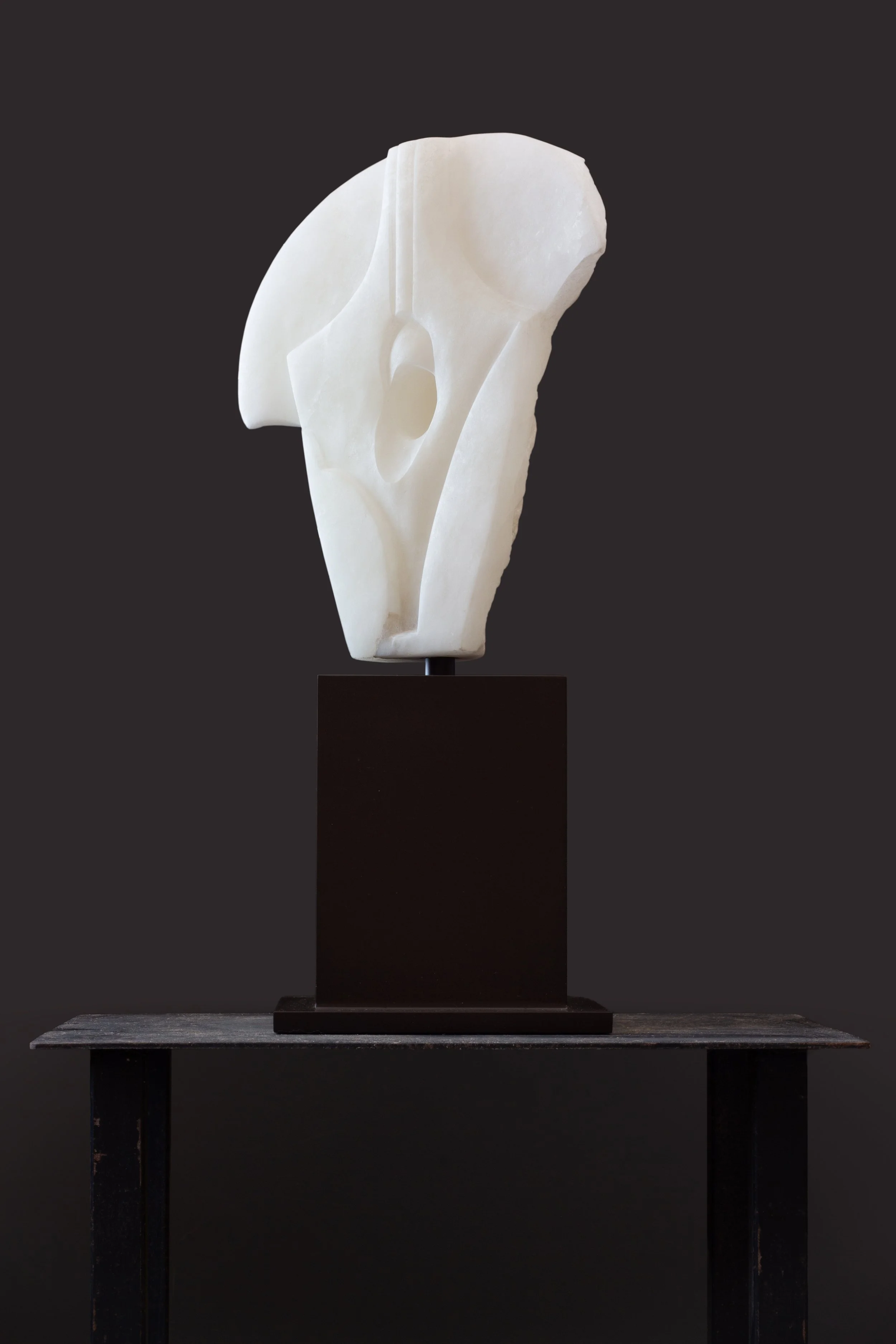
Other Worlds II
Other Worlds II, 2021, alabaster, sculpture: 19.7 × 22 × 5.5cm, plinth: 21.2 × 10.5 × 3cm
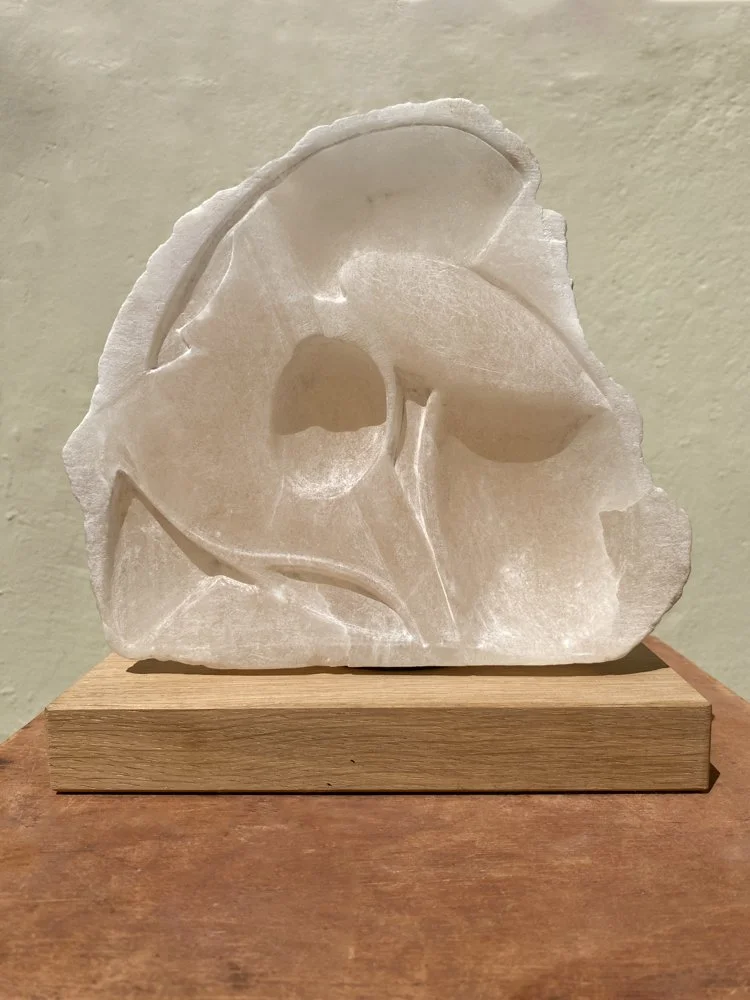
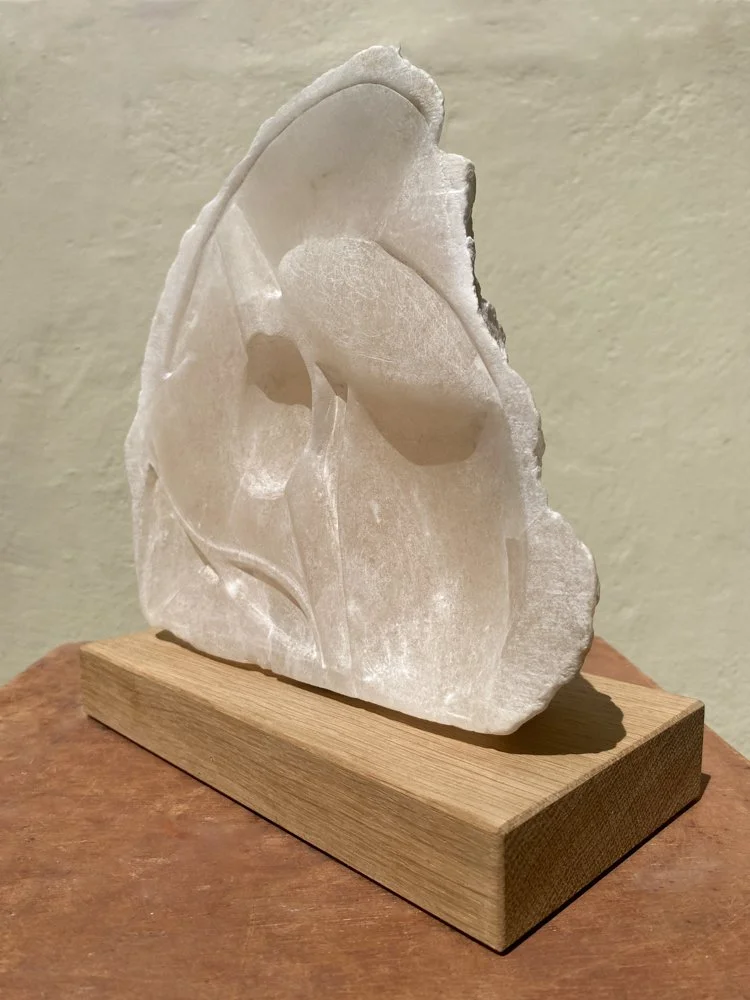
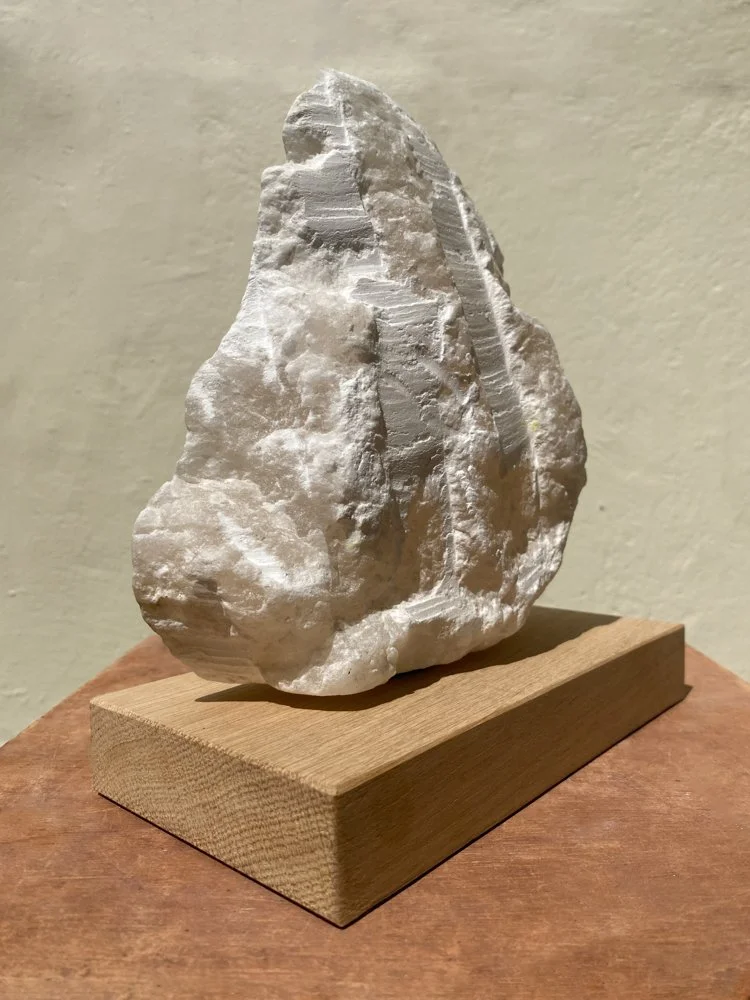
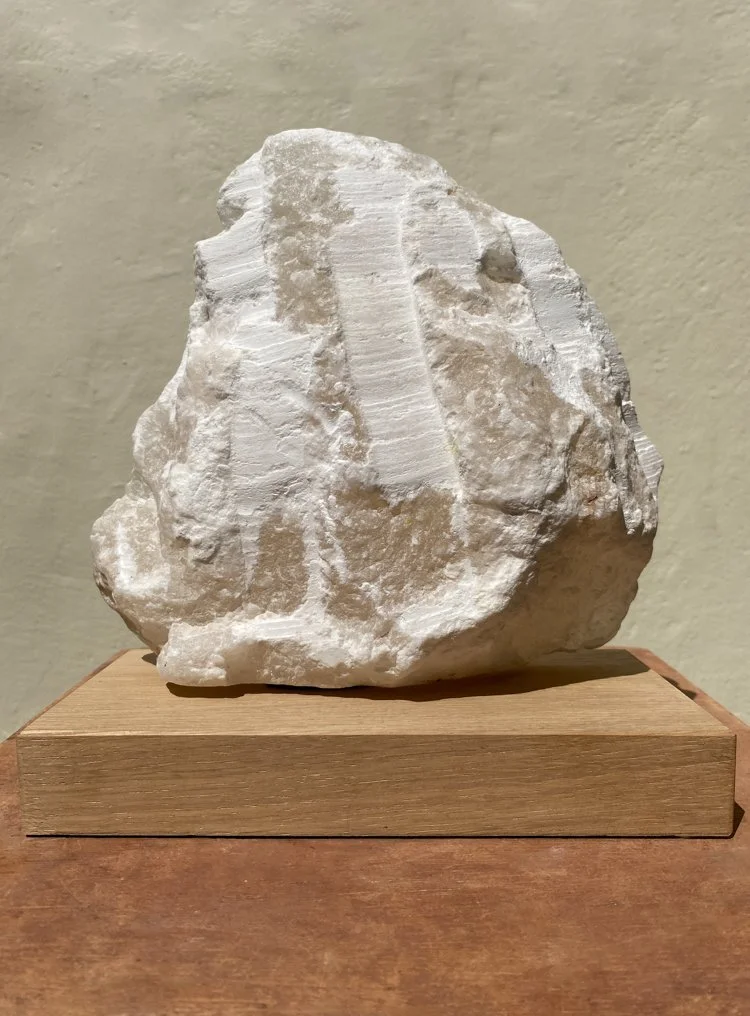
Eclipse
Eclipse, 2026, alabaster, 24 × 24 × 21cm
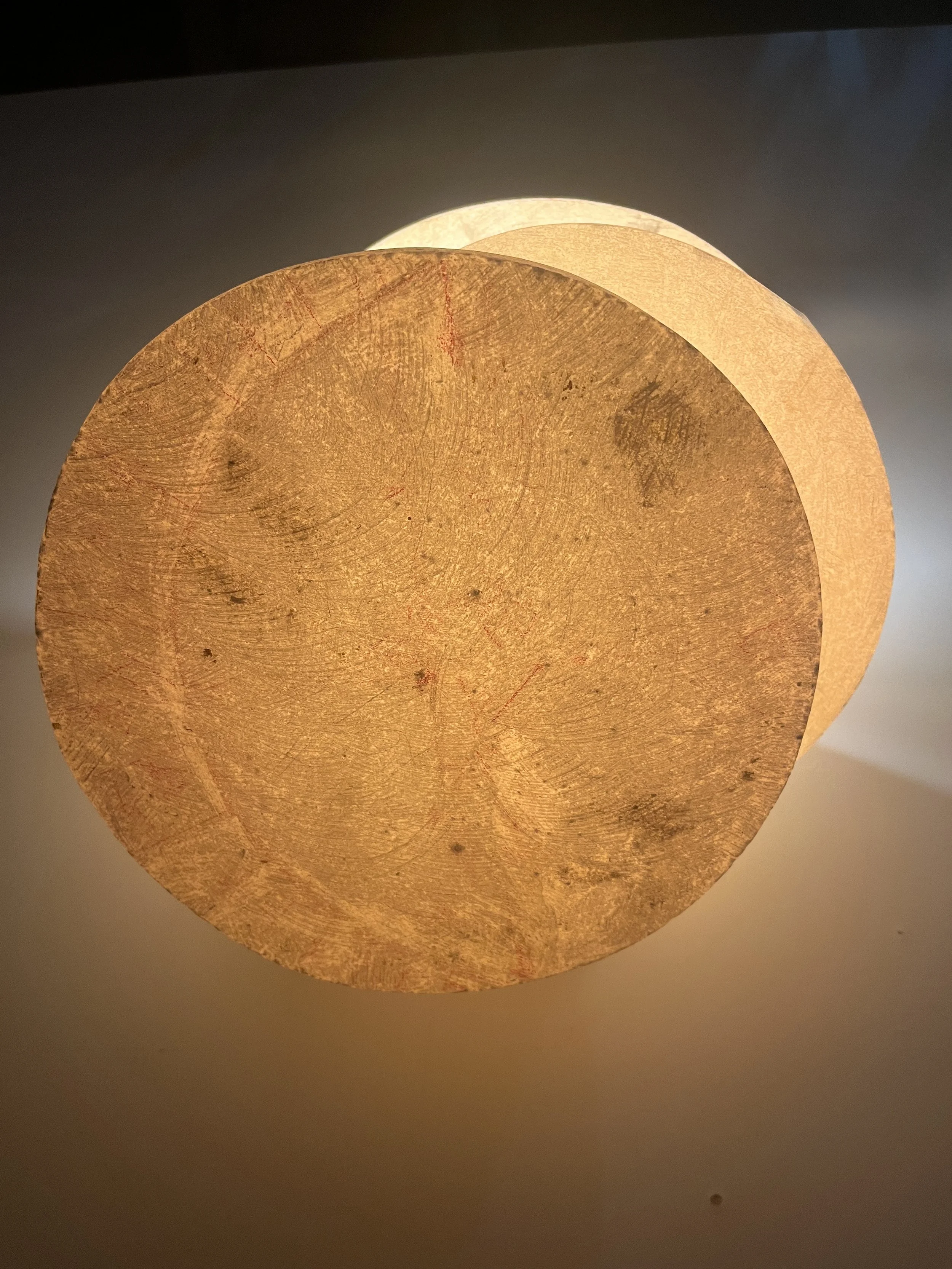
Pietà
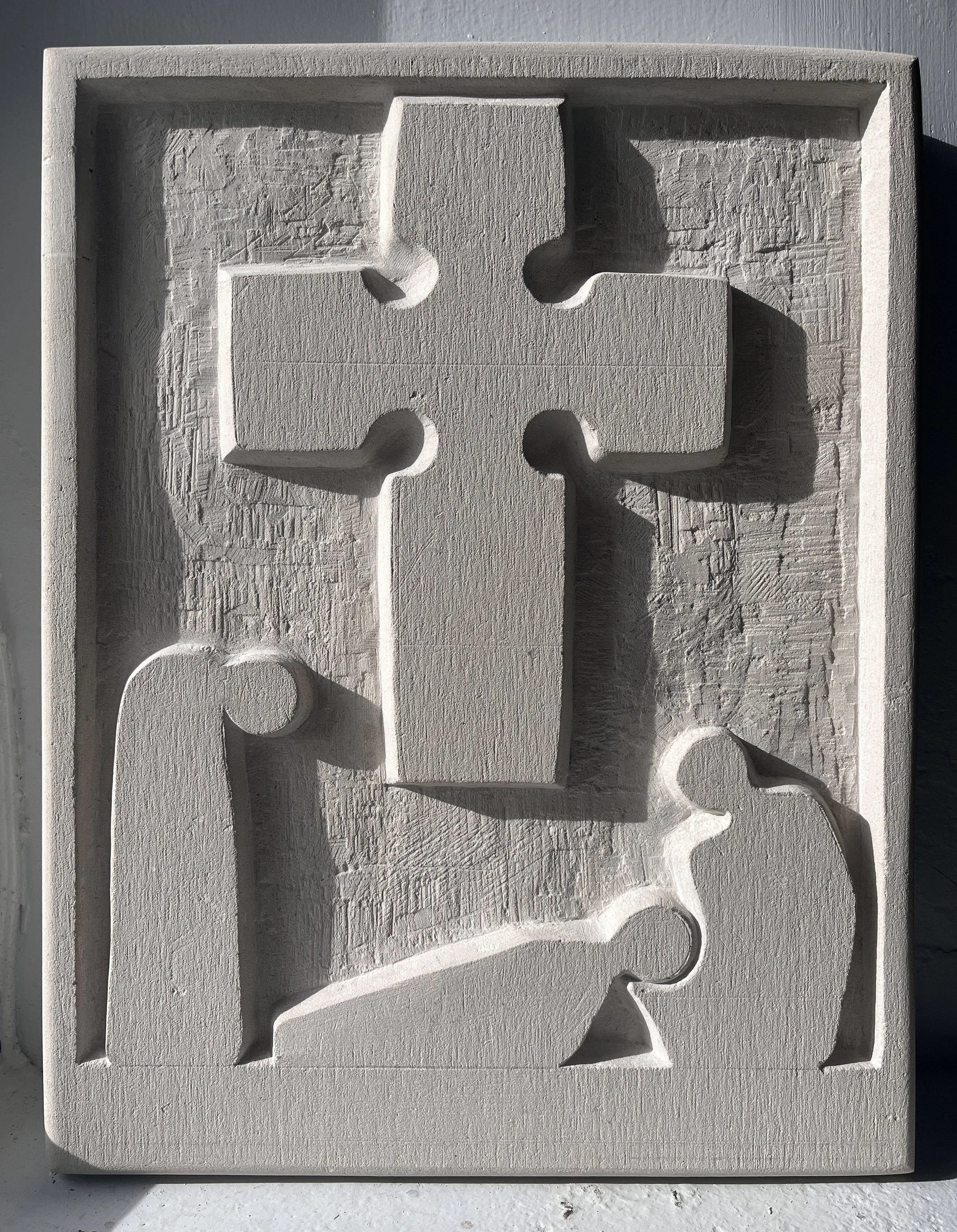
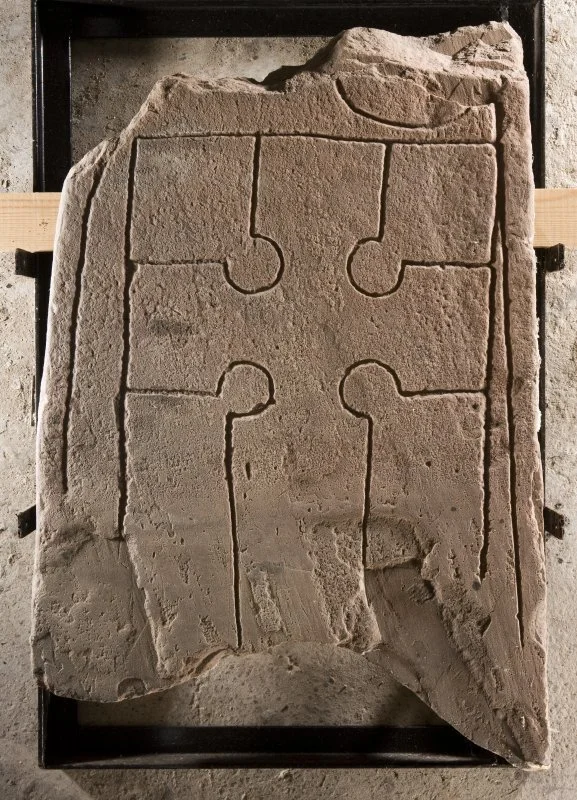
The composition of ‘Pietà’ borrows from the shapes of the Canisbay Cross in Caithness, a sandstone cross-slab featuring incised carvings, approximately 1100-1300 years old. The mourning figures and the body of Christ in my hand-carved panel are created using the shape of the negative space in the Canisbay Cross – a modern composition, crafted using traditional methods, inspired by an ancient artifact and retelling a story 2000 years old that is as important now as it was at its creation.
Pietà, 2024, Portland stone, 45 × 34 × 5cm
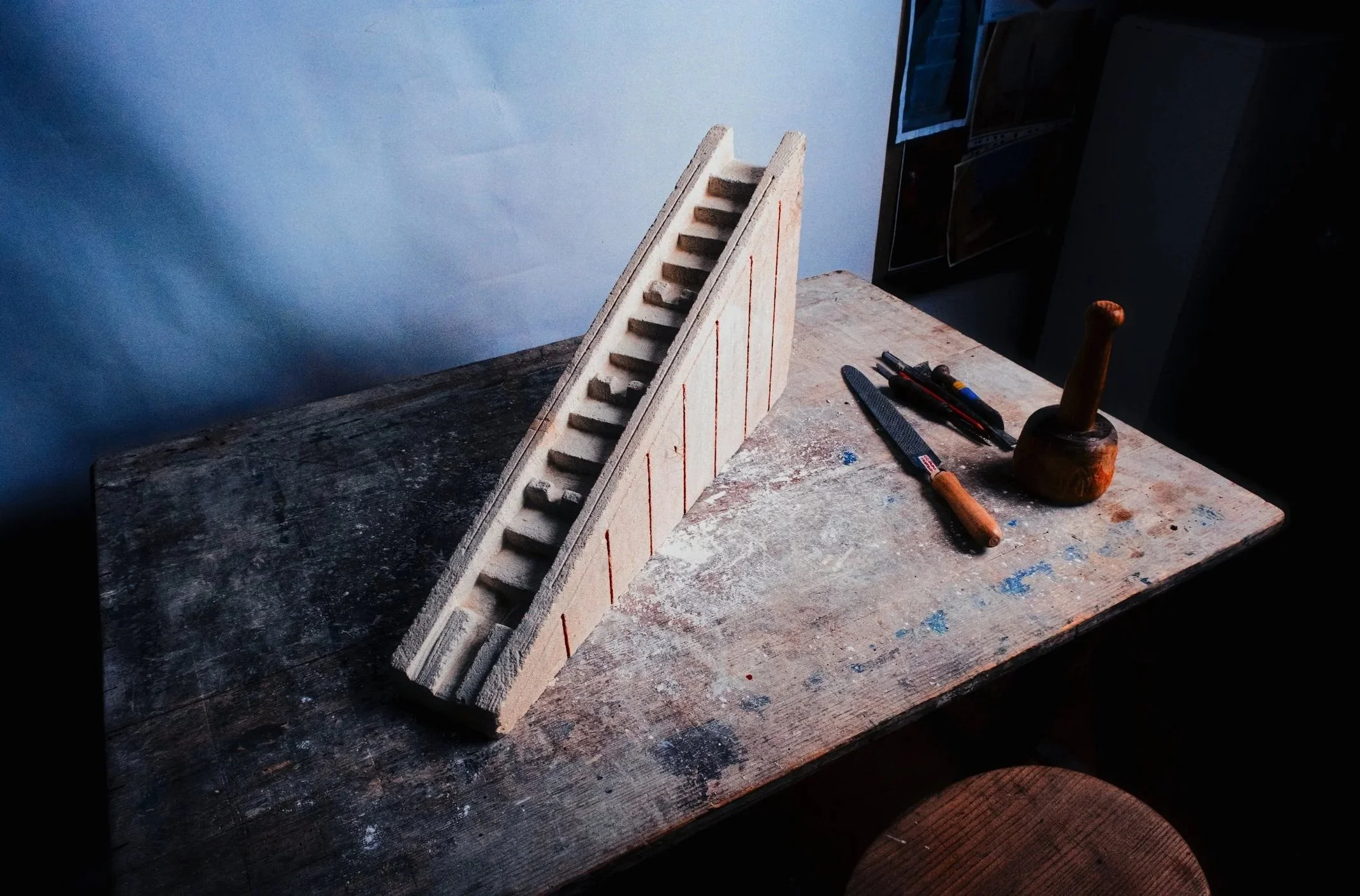
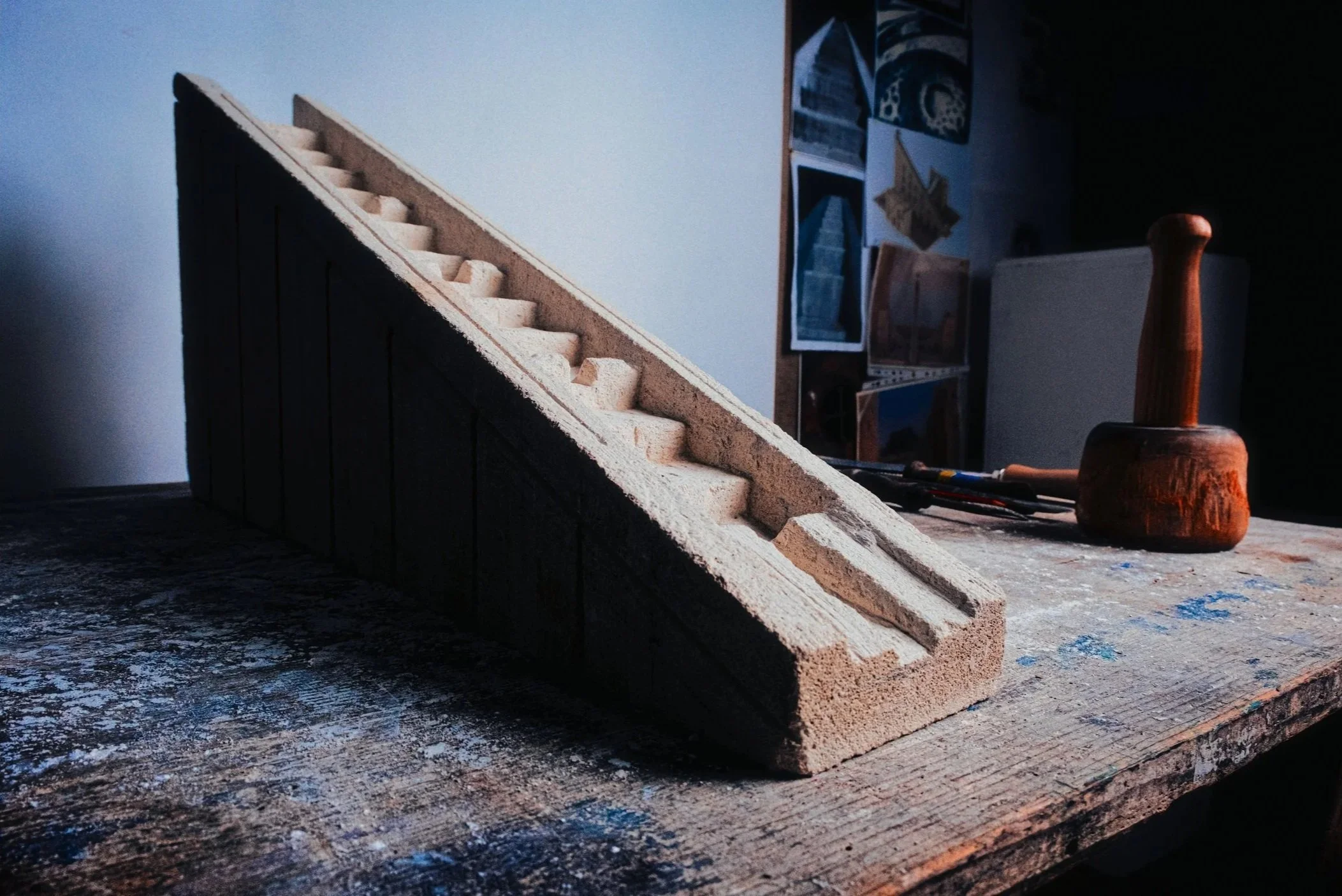
Measuring Time: Vrihat Samrat Gnomen Steps
This set of stairs was hand-carved in response to how humanity has endeavoured to understand time by developing calculating instruments. Gigi visited Jantar Mantar in Jaipur where Jai Singh II built enormous structures, themselves the instruments, each with a purpose of observing and mapping the sun's path throughout the year. The astronomers would walk up Vrihat Samrat Yantar, a vertiginous set of steps, at the end of which was the void. They took readings in hours, minutes and seconds where the angle of the sun cast a shadow. It is the second largest Gnomen (sun dial) in the world.
Measuring Time: Vrihat Samrat Gnomen Steps, 2023, Bath stone with pigment paint, 31 × 61 × 11cm

Studies
Cylinder Circles
Cylinder Circle Triptych, 2025-26, plaster